
Evalee Smith
LISW, LCSW, CSWGeorgia · 25 yrs exp
Compassionate clinician focused on practical change
Stress, Anxiety · Parenting · Anger · Self esteem · +15 more
Read profileTherapist listings are provided by BetterHelp. We will earn a commission at no additional cost to you if you use our links to purchase.
Welcome to our directory of online therapists serving Georgia. All therapists listed here are licensed in Georgia; explore profiles to learn about their approaches, focus areas, credentials, and spoken languages.
Use the listings to find professionals whose experience and methods match your needs, and review their profiles to plan your next steps.
Georgia · 25 yrs exp
Compassionate clinician focused on practical change
Stress, Anxiety · Parenting · Anger · Self esteem · +15 more
Read profile
Georgia · 17 yrs exp
Restore rest and rebuild routines
Relationship · Family · Trauma and abuse · Career · +13 more
Read profile
Georgia · 18 yrs exp
Practical, goal-focused counseling for everyday challenges
Stress, Anxiety · Trauma and abuse · Self esteem · Depression · +7 more
Read profile
Georgia · 10 yrs exp
Compassionate counselor for lasting change
Stress, Anxiety · Family · Trauma and abuse · Depression · +11 more
Read profile
Georgia · 9 yrs exp
Compassionate counselor focused on practical change
Stress, Anxiety · Anger · Self esteem · Bipolar · +11 more
Read profile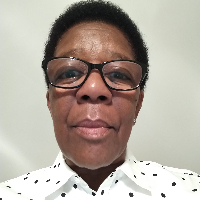
Georgia · 36 yrs exp
Compassionate, experienced social worker
Stress, Anxiety · LGBT · Relationship · Family · +16 more
Read profile
Georgia · 25 yrs exp
Calm, steady help for life when it feels heavy
Stress, Anxiety · Trauma and abuse · Grief · Self esteem · +13 more
Read profile
Georgia · 30 yrs exp
Experienced Georgia LCSW focused on relationships
Relationship · Intimacy-related issues · Self esteem · Career · +9 more
Read profile
Georgia · 11 yrs exp
Practical counseling for stress and life change
Stress, Anxiety · Addictions · Family · Trauma and abuse · +13 more
Read profile
Georgia · 36 yrs exp
Rest-focused therapist with a relational approach
Stress, Anxiety · Addictions · Relationship · Family · +13 more
Read profile
Georgia · 20 yrs exp
Practical support for sleep and everyday stress
Stress, Anxiety · Relationship · Self esteem · Career · +12 more
Read profile
Georgia · 14 yrs exp
Practical help for stress and sleep issues
Stress, Anxiety · Relationship · Sleeping · Self esteem · +13 more
Read profile
Georgia · 18 yrs exp
Calm, practical support for everyday challenges
Stress, Anxiety · Addictions · Relationship · Family · +15 more
Read profile
Georgia · 8 yrs exp
Rest-focused counselor for life transitions
LGBT · Relationship · Trauma and abuse · Self esteem · +14 more
Read profile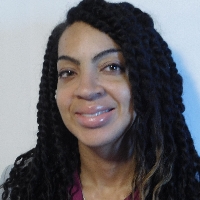
Georgia · 14 yrs exp
Rest-focused counselor with practical tools
Relationship · Family · Intimacy-related issues · Parenting · +12 more
Read profile
Georgia · 15 yrs exp
Practical therapy for better sleep and daily balance
Stress, Anxiety · Trauma and abuse · Grief · Self esteem · +16 more
Read profile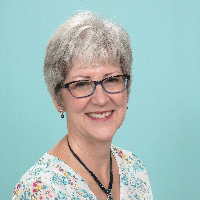
Georgia · 9 yrs exp
Compassionate counselor focusing on values and sleep
Stress, Anxiety · Grief · Self esteem · Depression · +12 more
Read profile
Georgia · 15 yrs exp
Compassionate counselor focused on practical change
Stress, Anxiety · Relationship · Self esteem · Depression · +16 more
Read profile
Georgia · 13 yrs exp
Compassionate counselor for practical change
Relationship · Trauma and abuse · Self esteem · Depression · +15 more
Read profile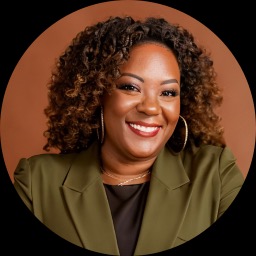
Georgia · 18 yrs exp
Practical, motivational therapy for change
Stress, Anxiety · Self esteem · Depression · Coping with life changes · +12 more
Read profile
Georgia · 12 yrs exp
Compassionate counselor blending creativity and skills
Stress, Anxiety · Grief · Self esteem · Depression · +9 more
Read profile
Georgia · 18 yrs exp
Practical counseling for stress and sleep issues
Stress, Anxiety · Addictions · Trauma and abuse · Anger · +13 more
Read profile
Georgia · 21 yrs exp
Calm-focused therapy for sleep and stress
Stress, Anxiety · Trauma and abuse · Grief · Parenting · +16 more
Read profile
Georgia · 14 yrs exp
Calm, practical care for everyday challenges
Stress, Anxiety · Anger · Self esteem · Depression · +11 more
Read profileOnline therapy has become a common way for people in Georgia to access mental health care, combining traditional therapeutic approaches with modern communication tools. If you live in Georgia or spend significant time here, you will generally work with a therapist who is licensed to practice in the state. Licensing rules and telehealth policies can influence how services are delivered, so it helps to know the landscape before you begin. Many therapists list the platforms or formats they use for sessions, such as video calls, phone sessions, or text-based messaging tools, and profiles often indicate which approaches they use, who they work with, and what languages they speak.
Because laws and professional guidelines evolve, the specifics of online practice can change over time. In most cases, a therapist must be licensed in the state where you are located while you receive care. That means if you are in Georgia you should look for professionals licensed in Georgia. The directory focuses on practitioners who meet that requirement, making it easier for you to identify local licensed providers who offer remote options. Understanding this framework will help you decide whether online therapy fits your routine and helps you narrow your choices as you explore profiles.
Online therapy removes several practical barriers you might face when seeking care in person. You can connect from home, from work, or from another location in Georgia that is convenient for you, eliminating the need for travel across traffic-congested corridors or between distant towns. This can make it simpler to schedule regular sessions around job, school, and family responsibilities. Remote sessions can also offer more flexible timing that fits into your life if you have irregular hours or transportation challenges.
Beyond convenience, online therapy can broaden your options for finding a therapist whose focus areas and approaches match your needs. If you live in a rural or under-served part of Georgia, online care may expose you to clinicians with particular expertise or language skills that are scarce in your immediate area. Many people also find that remote sessions feel less formal and more comfortable at first, providing a setting that supports openness and continuity. You should think about practical issues such as connection quality, device type, and a quiet place to meet so you can get the most out of each session.
Therapists who offer online services in Georgia work with a wide range of concerns across life stages. You can find practitioners who list experience with anxiety, depression, relationship challenges, grief, workplace stress, family dynamics, and life transitions. Some profiles indicate focus areas like parenting support, adolescent concerns, perinatal mental health, or care for older adults. Therapists may also list approaches that shape how they work with you - for example, cognitive behavioral approaches, psychodynamic-informed methods, mindfulness-oriented work, trauma-informed care, and other modalities. When you read profiles you will often see phrases such as therapists who list EMDR among their approaches or those who mention acceptance and commitment or narrative-based methods.
Online therapy can also support people managing ongoing conditions that benefit from consistent check-ins, psychoeducation, and skill-building. If your needs involve coordination with medical providers, schools, or community services, many online clinicians will describe how they collaborate with other professionals. Because online therapy spans so many areas, using profile details to match a therapist’s experience and stated approach with what you want to address is a practical way to narrow your options.
Verifying a therapist's license is an important step to confirm they are authorized to practice in Georgia. You can begin by checking the professional profile for a license number and the issuing board. Most therapists list their credential type and the board that licenses them, such as the board that oversees counselors, social workers, marriage and family therapists, or psychologists. With that information you can search the appropriate Georgia licensing board website to confirm the license number, current status, expiration date, and whether there are any public disciplinary actions on record.
If a profile does not include a license number, you can search by the clinician's full name on the state board sites. These public registers are maintained to help you confirm credentials and to provide basic consumer protection information. If you have difficulty locating a license record online, you can contact the licensing board directly for assistance. Boards can clarify how to interpret records and whether any additional steps are needed to verify a practitioner's authorization to provide clinical services in Georgia.
Starting with an online therapist often begins with reviewing profiles to identify several clinicians who describe relevant experience and approaches. Look for information about the issues they work with, the therapeutic methods they mention, languages spoken, and general information about session format. Many profiles also note whether they offer short intake consultations or provide details about session length and the kinds of paperwork you can expect to complete prior to your first meeting.
When you contact a therapist or their administrative contact, you may be asked to provide basic intake information so the clinician can determine whether their services match your needs and professional scope. This exchange is also an opportunity for you to ask practical questions about session logistics, fees, payment methods, and any documentation you may need for benefits or employer assistance programs. Preparing a short list of what you want to address and what you hope to gain from therapy can help you and the clinician get off to a focused start.
Choosing a therapist is a personal decision and you should pay attention to how a clinician describes their approach and focus areas in their profile. Consider whether the therapist lists work with the age group or issue you want to address, whether they describe methods that resonate with you, and whether they speak your preferred language. Credentials such as licensed professional counselor, clinical social worker, marriage and family therapist, or psychologist indicate different training pathways and scopes of practice; review these distinctions if they matter to you.
Think about the interpersonal fit as well. Many people gauge fit by reading a therapist's biography to sense their tone and values. You can look for descriptions of the therapist's general approach to collaboration and problem solving, and whether they emphasize skill-building, insight, trauma-informed care, or systems-focused work. If you have cultural or identity-specific concerns, seek clinicians who explicitly mention relevant experience or who list languages and cultural affinities in their profiles.
Practical considerations matter too. Compare session formats, the length of appointments, fee ranges, whether the clinician accepts insurance or offers sliding scale options, and how they handle documentation for employers or programs. You should also prepare for the technical side of online therapy - ensure you have a reliable internet connection, a device with a camera and microphone, and a quiet place to meet. Setting these conditions in advance helps sessions feel more productive and allows you to focus on the therapeutic work.
It is common for needs to shift as you work with a therapist, and it is appropriate to discuss adjustments to your focus, frequency of sessions, or therapeutic approach. You can expect open conversation about goals and progress to be part of the therapeutic relationship. If something in the working relationship does not feel like a good match, you can use what you learn from that experience to refine your search and find another clinician whose approach aligns more closely with your evolving needs.
Overall, online therapy in Georgia offers flexible options for connecting with licensed professionals who list a wide range of approaches and focus areas. By reviewing profiles carefully, verifying licenses through state boards, and preparing for the practicalities of remote sessions, you can make informed choices that support your goals. Use the directory to explore clinician profiles, read about their approaches and focus areas, and begin your search for a therapist who aligns with what you want to address.
Anger
4070 therapists
Chronic Illness
1690 therapists
Chronic Pain
1690 therapists
Depression
4600 therapists
Grief
4306 therapists
Guilt and Shame
3393 therapists
Isolation / Loneliness
3315 therapists
Midlife Crisis
2517 therapists
Panic Disorder and Panic Attacks
2878 therapists
Seasonal Affective Disorder (SAD)
2222 therapists
Self Esteem
4577 therapists
Sleep and Rest
4731 therapists
Stress & Anxiety
4659 therapists
Trauma and Abuse
4332 therapists