
Dr. Julie McCune
LPCCOhio · 25 yrs exp
Compassionate counselor focused on practical change
Stress, Anxiety · LGBT · Relationship · Self esteem · +16 more
Read profileTherapist listings are provided by BetterHelp. We will earn a commission at no additional cost to you if you use our links to purchase.
Welcome to our directory for online therapists who serve Ohio. All therapists listed here are licensed in their field; explore profiles to compare approaches, credentials, languages, and areas of focus.
Use the listings below to find professionals whose methods and experience align with what you want from online care.
Ohio · 25 yrs exp
Compassionate counselor focused on practical change
Stress, Anxiety · LGBT · Relationship · Self esteem · +16 more
Read profile
Ohio · 20 yrs exp
Compassionate, practical therapy for better sleep and life
Stress, Anxiety · Addictions · Relationship · Family · +15 more
Read profile
Ohio · 3 yrs exp
Helping people build better sleep and coping habits
Stress, Anxiety · Addictions · Relationship · Bipolar · +11 more
Read profile
Ohio · 25 yrs exp
Calm, practical guidance for better rest
Stress, Anxiety · Relationship · Family · Trauma and abuse · +16 more
Read profile
Ohio · 23 yrs exp
Compassionate, practical therapy for everyday challenges
Stress, Anxiety · Relationship · Trauma and abuse · Bipolar · +11 more
Read profile
Ohio · 17 yrs exp
Calm, practical help for stress and sleep
Stress, Anxiety · Trauma and abuse · Grief · Anger · +8 more
Read profile
Ohio · 33 yrs exp
Compassionate counselor focused on practical change
Stress, Anxiety · LGBT · Family · Trauma and abuse · +15 more
Read profile
Ohio · 28 yrs exp
Practical psychologist focusing on everyday routines
LGBT · Family · Parenting · Coaching · +13 more
Read profile
Ohio · 6 yrs exp
Compassionate support for sleep and life changes
Stress, Anxiety · Relationship · Grief · Depression · +15 more
Read profile
Ohio · 19 yrs exp
Therapist focused on practical change
Stress, Anxiety · Addictions · Family · Depression · +15 more
Read profile
Ohio · 36 yrs exp
Calm, practical therapy for everyday life
Stress, Anxiety · Self esteem · Depression · Coaching · +15 more
Read profile
Ohio · 7 yrs exp
Compassionate LPCC helping with stress and sleep
Stress, Anxiety · Trauma and abuse · Self esteem · Depression · +9 more
Read profile
Ohio · 20 yrs exp
Experienced Ohio Licensed Social Worker
Stress, Anxiety · LGBT · Grief · Self esteem · +11 more
Read profile
Ohio · 7 yrs exp
Practical, relationship-focused counseling
Stress, Anxiety · Relationship · Trauma and abuse · Self esteem · +15 more
Read profile
Ohio · 20 yrs exp
Mindfulness-focused counselor for life stressors
Stress, Anxiety · Trauma and abuse · Grief · Anger · +11 more
Read profile
Ohio · 22 yrs exp
Practical counseling focused on recovery and coping
Stress, Anxiety · Addictions · Self esteem · Depression · +16 more
Read profile
Ohio · 5 yrs exp
Practical care for sleep and stress
LGBT · Trauma and abuse · Self esteem · Depression · +7 more
Read profile
Ohio · 12 yrs exp
Collaborative counselor focused on practical change
Stress, Anxiety · Relationship · Family · Trauma and abuse · +9 more
Read profile
Ohio · 14 yrs exp
Rest-focused counselor for life transitions
Stress, Anxiety · Relationship · Trauma and abuse · Parenting · +12 more
Read profile
Ohio · 28 yrs exp
Compassionate therapist focused on practical change
Stress, Anxiety · Addictions · Trauma and abuse · Grief · +15 more
Read profile
Ohio · 22 yrs exp
Compassionate psychologist focused on practical change
Stress, Anxiety · Relationship · Trauma and abuse · Bipolar · +16 more
Read profile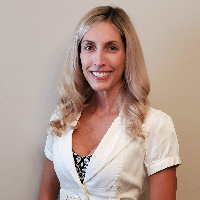
Ohio · 19 yrs exp
Practical counseling for sleep and life balance
Stress, Anxiety · Relationship · Grief · Intimacy-related issues · +14 more
Read profile
Ohio · 7 yrs exp
Practical, goal-focused counseling for daily life
Stress, Anxiety · Trauma and abuse · Parenting · Self esteem · +14 more
Read profile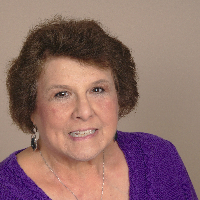
Ohio · 31 yrs exp
Practical therapy for stress, sleep, and life change
Stress, Anxiety · Addictions · LGBT · Trauma and abuse · +12 more
Read profileIf you are considering online therapy in Ohio, you will find a growing number of clinicians offering services by video and phone. Online care has become a common way for people across the state to connect with counselors, clinical social workers, psychologists, and marriage and family therapists. Many practitioners who list online work among their service methods aim to make counseling more accessible for people who live outside major cities, have mobility or transportation limits, or prefer meeting from home. When you search listings, you will see clinicians describe their professional credentials, therapeutic approaches, languages they work in, and the populations they commonly support. Remember that online therapy in Ohio is regulated by state licensing boards, so it is helpful to confirm that a therapist holds the appropriate Ohio license for the type of care you want.
Online care is not a single model. Some clinicians focus on short-term skills-based work while others emphasize longer-term therapy. You can often find therapists who work with adults, adolescents, couples, families, or specific communities. The online format can be combined with in-person sessions if a clinician offers both. As you review profiles, pay attention to the approaches a therapist lists and the populations they describe, because those details help indicate how they frame their work.
Choosing online therapy can provide practical advantages that affect how and when you engage in treatment. You may save commute time and avoid travel in winter weather. For people who live in rural areas of Ohio where specialist clinicians are scarce, online sessions widen the pool of options. The online format can also allow for scheduling that fits around work, school, or caregiving responsibilities. In addition, some people find it easier to open up from a familiar setting in their home or another personal location, while others appreciate the ability to meet with clinicians who share cultural background or language even if they live far away.
There are also considerations that help you decide whether remote work is right for you. Think about whether you have a personal place for sessions, a reliable internet connection, and a device that supports video. If steady internet is a concern, many therapists offer phone sessions as an alternative. You should also consider how you would handle an urgent issue between sessions, and discuss crisis planning before beginning. Planning ahead can make online therapy feel practical and manageable.
Therapists who offer online sessions in Ohio work with a broad range of concerns. Many help people navigating symptoms of stress, anxiety, and low mood, supporting strategies to manage daily functioning and emotional regulation. Others focus on relationship challenges - for example communication problems, conflict, or life transitions that affect partners and families. Trauma-related work is commonly described in profiles, often noting that a clinician uses approaches for processing difficult experiences; when you see a specialty listed, remember it indicates an area the therapist works with, not a certification.
Online clinicians also support people facing major life changes such as grief, career shifts, parenting challenges, and adjustment to medical issues. They often work with identity-related concerns, including LGBTQ+ matters, cultural and racial identity, and immigration-related stress. If you have a specific concern, look for profiles that mention relevant focus areas and the populations a clinician describes serving. Language offerings are important to check if you prefer to work in a language other than English.
Verifying licensure is a practical step that helps you confirm a therapist is authorized to practice in Ohio. Start by noting the license type listed in the therapist profile - common credentials include counselor, clinical social worker, psychologist, and marriage and family therapist. Each title corresponds to a state license category and different educational and supervision pathways. To confirm the license, use Ohio's official license lookup tools available from state boards. These tools typically let you search by the clinician's name and show whether a license is active, the license number, the expiration date, and any disciplinary history that may be on record.
When you check a record, pay attention to whether the license is listed as active and whether it covers the specific category you expect. If you encounter unfamiliar information, you can contact the relevant licensing board to request clarification. Keep in mind that online profiles may include academic degrees and approach descriptions, but the state board is the authoritative source for licensure status. If you are planning online care while physically located in Ohio, confirm that the clinician is licensed to practice in Ohio - clinicians must hold the appropriate state credentials for the location where you receive services.
Getting started begins with clarifying your goals and practical needs. Think about what you want to address in therapy and how often you expect to meet. Consider whether you prefer short-term problem-focused work or longer-term exploration. When you find profiles that match your priorities, reach out through the contact method offered to ask a few initial questions about approach, session length, and fees. You can also ask about the technologies they use for video and whether phone sessions are an option.
Before your first session, prepare the environment where you will meet. Choose a quiet, undisturbed area with good lighting and a comfortable chair. Test your device and internet connection ahead of time so you can enter the session without technical interruptions. Have a list of concerns or goals to guide the first conversation, and be ready to discuss any previous mental health care or medications that may be relevant. Also clarify payment methods and whether the clinician provides documentation if you plan to use insurance or flexible spending accounts. If at any point you feel uncertain about how therapy will proceed, bring that up - a good first conversation focuses on practical arrangements and whether the clinician's style aligns with your needs.
Choosing a therapist is a personal process. Start by narrowing profiles by the populations and issues they describe, and look for clinicians who list approaches that resonate with you. If an approach name appears in a profile, you can ask a prospective therapist how they typically apply that method in sessions and whether it aligns with your expectations. Language and cultural background can be important factors, so consider whether you want someone who speaks your preferred language or who describes experience working with communities like yours.
Communication style matters. Some therapists emphasize practical skills and goal-setting while others describe a reflective, exploratory stance. You can often get a sense of style from profile language and by asking questions during an initial contact. Trust your impressions about whether you feel heard and respected in early conversations. Practical factors such as session length, fee structure, and whether the clinician provides documentation for insurance are also relevant to your decision. Finally, plan for safety - ask about how the clinician handles emergencies and whether they have written procedures for crisis situations. The aim is to find someone whose methods, experience, and approach to practical matters fit your needs so you can focus on progress in therapy.
By taking these steps - clarifying goals, verifying licensure, preparing your space, and asking focused questions - you can make a thoughtful choice about online therapy in Ohio. Use the listings on this site to explore profiles, compare what clinicians highlight about their work, and reach out to begin a conversation about how online therapy could support your next steps.
Anger
4070 therapists
Chronic Illness
1690 therapists
Chronic Pain
1690 therapists
Depression
4600 therapists
Grief
4306 therapists
Guilt and Shame
3393 therapists
Isolation / Loneliness
3315 therapists
Midlife Crisis
2517 therapists
Panic Disorder and Panic Attacks
2878 therapists
Seasonal Affective Disorder (SAD)
2222 therapists
Self Esteem
4577 therapists
Sleep and Rest
4731 therapists
Stress & Anxiety
4659 therapists
Trauma and Abuse
4332 therapists