- Substance use support
- Depression and anxiety
- Coaching options
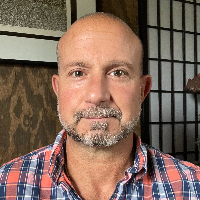
About Timothy
Timothy Welch is a Licensed Professional Clinical Counselor (LPCC) with more than two decades of clinical experience. He frames therapy as a partnership and focuses on practical steps that help people move past painful or confusing times. He also offers life and sober coaching through a separate platform for added tools and accountability.
Timothy writes about recovery and resilience in his books and brings that practical voice into sessions. He has long experience supporting people managing alcohol and drug concerns and helping others heal from loss and trauma. He also works with people facing depression, anxiety, bipolar concerns, and stress related to work or life transitions.
He draws on several approaches to shape the work, including client-centered listening, cognitive behavioral ideas, emotion-focused perspectives, and skills drawn from dialectical behavior methods. That lets him mix talking, reflection, and hands-on tools such as coping skills or behavior targets. Sessions typically emphasize straightforward strategies and steady progress rather than jargon or theory.
Timothy holds his LPCC license in Ohio and has worked in a wide range of settings, including rehab programs, crisis intervention, group homes, and hospice care. He also has experience with employee assistance programs and community mental health services. This range informs how he supports practical recovery and coping plans.
People who reach out can expect direct listening, collaborative problem solving, and options for coaching alongside counseling when that fits their goals. He welcomes conversations about substance use, grief, relationship strain, sleep struggles, ADHD, and other concerns a person brings to the room.
Approaches that translate to online care
Client-centered work focuses on listening and reflecting back what matters to you so sessions feel directed by your priorities. This approach helps when someone needs a supportive space to sort through hard decisions and emotions.Cognitive Behavioral Therapy, or CBT, breaks problems into thoughts, feelings, and actions and offers simple exercises to shift unhelpful patterns. It often helps with anxiety, low mood, sleep trouble, and behavior change goals.
Dialectical Behavior Therapy, or DBT, teaches concrete skills for managing strong emotions and improving interpersonal effectiveness. It can be useful for stress, anger, and relationship problems where steady skills practice is helpful.
Finding the right approach is part of the work. The therapist will talk with each person about goals, preferences, and what has or hasn’t helped before. Together they will try approaches that fit the situation and adjust the plan as progress is made.
Confirm the available session formats before booking to know whether online options are provided. Online care can make it easier to fit sessions into a busy schedule, reduce travel time, allow shorter check-ins when needed, and let people join from a place that works for them. Licensed professionals can use the same therapeutic methods over video or phone when those formats are available, with the focus on practical strategies and real-world problem solving.
Areas of expertise
Primary focus
Also works with
Additional focus areas
Therapeutic approaches
Experience
22+ years
Credentials
Ohio
Languages
English
Frequently asked questions
What kinds of concerns does Timothy address?
He helps people with stress, anxiety, depression, addiction, grief, trauma, sleep issues, self-esteem, ADHD, and many related life and relationship challenges.
What is his general therapy style?
He uses a collaborative, down-to-earth approach that blends listening with practical tools and goal setting to help people make steady progress.
How much clinical experience does he have?
He has 22 years of experience across private practice, rehab, crisis intervention, group homes, hospice, and other settings.
What credential does he hold and where is he based?
He is an LPCC licensed in Ohio and maintains a counseling practice in that state.
Can sessions be held in languages other than English?
Sessions are offered in English.
What session formats are available?
Please confirm the current session options before booking to make sure they fit your needs.
How does payment work?
Cost varies by location and therapist arrangement; sessions use a subscription that can be canceled at any time.
How do I begin working with him?
Click the Start Therapy button, complete a short matching questionnaire, and schedule according to therapist availability.