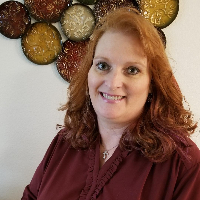
Shelly Sanders
LCSWIdaho · 9 yrs exp
Calm, practical support for life’s disruptions
Stress, Anxiety · Trauma and abuse · Anger · Depression · +13 more
Read profileTherapist listings are provided by BetterHelp. We will earn a commission at no additional cost to you if you use our links to purchase.
Welcome to our Idaho directory for online therapy. All therapists listed here are licensed in Idaho and offer remote sessions to residents across the state.
Explore the profiles below to compare practice focus, therapeutic approaches, languages spoken, and professional experience to find a good fit for your needs.
Idaho · 9 yrs exp
Calm, practical support for life’s disruptions
Stress, Anxiety · Trauma and abuse · Anger · Depression · +13 more
Read profile
Idaho · 11 yrs exp
Calm practical therapy focused on real-life change
Stress, Anxiety · Addictions · LGBT · Depression · +16 more
Read profile
Idaho · 8 yrs exp
Rest-focused counselor for sleep and life transitions
Stress, Anxiety · LGBT · Trauma and abuse · Grief · +16 more
Read profile
Idaho · 8 yrs exp
Practical, relational therapy for sleep and life concerns
Stress, Anxiety · Relationship · Trauma and abuse · Bipolar · +14 more
Read profile
Idaho · 12 yrs exp
Compassionate, practical therapy for daily life
Stress, Anxiety · Trauma and abuse · Self esteem · Bipolar · +14 more
Read profile
Idaho · 15 yrs exp
Compassionate LCSW for practical change
Stress, Anxiety · Depression · ADHD · Grief · +5 more
Read profile
Idaho · 8 yrs exp
Calm, practical guidance for better sleep and life
Stress, Anxiety · Trauma and abuse · Grief · Sleeping · +13 more
Read profile
Idaho · 9 yrs exp
Practical, down-to-earth support for everyday struggles
Stress, Anxiety · Family · Parenting · Self esteem · +13 more
Read profile
Idaho · 10 yrs exp
Calm, practical therapy for everyday struggles
Stress, Anxiety · Relationship · Parenting · Self esteem · +15 more
Read profile
Idaho · 25 yrs exp
Finding practical steps toward better sleep and balance
Stress, Anxiety · Relationship · Family · Trauma and abuse · +14 more
Read profile
Idaho · 6 yrs exp
Compassionate help for stress and sleep
Stress, Anxiety · Relationship · Self esteem · Depression · +14 more
Read profile
Idaho · 6 yrs exp
Calm, practical help for sleep and stress
Stress, Anxiety · Trauma and abuse · Grief · Anger · +12 more
Read profile
Idaho · 7 yrs exp
LCSW focused on sleep and coping
Stress, Anxiety · Self esteem · Depression · Relationship · +7 more
Read profile
Idaho · 8 yrs exp
Calm, practical counseling for everyday challenges
Stress, Anxiety · Addictions · LGBT · Relationship · +15 more
Read profile
Idaho · 21 yrs exp
Practical, compassionate care for life changes
Stress, Anxiety · LGBT · Grief · Self esteem · +12 more
Read profile
Idaho · 6 yrs exp
Compassionate counselor helping women build healthier coping
Stress, Anxiety · Relationship · Family · Trauma and abuse · +14 more
Read profile
Idaho · 4 yrs exp
Calm, practical therapy for real-life strain
Stress, Anxiety · Addictions · Trauma and abuse · Grief · +10 more
Read profile
Idaho · 24 yrs exp
Compassionate therapist focused on rest and resilience
Trauma and abuse · Grief · Career · Depression · +16 more
Read profile
Idaho · 30 yrs exp
Compassionate social worker focused on strengths
Stress, Anxiety · Trauma and abuse · Grief · Depression · +10 more
Read profile
Idaho · 3 yrs exp
Practical support for sleep, mood, and recovery
Addictions · Grief · Eating · Sleeping · +1 more
Read profileIf you live in Idaho and are thinking about online therapy, you are part of a growing number of people who choose remote options for emotional and mental health support. Over recent years technology and regulatory changes have made it increasingly common for licensed clinicians to offer counseling and psychotherapy through video and phone sessions. In Idaho, clinicians who are licensed to practice in the state can provide services to residents using remote platforms, though rules and expectations can evolve, so it helps to stay informed about current state guidance.
Online therapy in Idaho serves a wide geographic area, from urban centers to small towns and rural communities. For many people this means you can access clinicians whose approaches, specialties, or language skills match what you want without being limited to local offices. Because the directory lists only clinicians licensed in Idaho, you can be confident that each profile reflects a provider who is authorized by the state to offer behavioral health services.
As you explore options, recognize that online therapy models differ. Some clinicians emphasize video sessions that resemble in-person meetings, while others use phone sessions, text-based check-ins, or blended formats. The profiles in this directory note the approaches clinicians list among their methods, so you can find therapists who mention cognitive behavioral methods, psychodynamic approaches, trauma-focused modalities such as EMDR among their approaches, mindfulness-based work, family systems perspectives, or other orientations.
Online therapy can offer practical and emotional advantages for people across Idaho. If you live far from a metropolitan area, remote sessions reduce travel time and can save you from long drives in winter weather. You may also find more clinicians who speak your preferred language or who focus on a specific population or life stage when geography is not a constraint. That means you can look for experience and approaches that resonate with you, such as work with adolescents, perinatal mental health, relationship concerns, or grief and loss.
For many people, online therapy creates a more flexible way to fit sessions into a busy life. You may be able to connect from a home office, a midday break, or another context that feels comfortable. Therapeutic relationships rely on trust and rapport, and many people report that meaningful therapeutic work can happen effectively online when the clinician and client share a clear plan and expectations for sessions. If you have mobility limitations, caregiving responsibilities, or transportation barriers, remote sessions may reduce practical obstacles to getting support.
Online therapy is not one-size-fits-all, and it may work differently depending on your goals, comfort with technology, and the nature of the issues you want to address. A thoughtful match between your needs and a clinician's focus and approach is often more important than the delivery format itself.
Online therapists in Idaho work with a broad range of emotional and life concerns. People frequently seek help for anxiety-related symptoms, persistent low mood, stress management, relationship difficulties, life transitions, grief, and parenting challenges. Clinicians also support work-related stress, school-related issues, and coping with chronic health conditions. Some clinicians list trauma-informed approaches among their methods and work with trauma-related responses, while others emphasize emotion-focused or relational approaches for family or couples work.
Providers in the directory often indicate specific focus areas on their profiles, such as adolescent mental health, reproductive and perinatal support, LGBTQ+ affirmative care, or cultural and identity-related concerns. The profiles also show the therapeutic approaches therapists list among their methods, including cognitive behavioral approaches, acceptance and commitment perspectives, psychodynamic work, or mindfulness-oriented practices. When you read a profile, look for language that describes what the clinician emphasizes in sessions and the kinds of concerns they most often address.
Online therapy can be particularly useful for ongoing talk therapy, skills teaching, coping strategies, and processing life events. If you are exploring work for crisis situations or complex clinical needs, consider discussing with a clinician how they typically handle those situations and whether they coordinate care with local providers or other services when needed.
Verifying a clinician's license is a practical step that helps you feel informed about the professional status of someone you may work with. In Idaho, licenses for mental health professionals are issued by state regulatory boards. You can usually find an online license lookup on the Idaho board website where you can search by name or license number to confirm that a license is active, the license type, and whether any public disciplinary actions are listed. Look for the exact license designation shown on the clinician's profile, such as licensed professional counselor, clinical social worker, or psychologist.
When you check a license record, pay attention to the issuance and expiration dates and any public notices that the board provides. Board websites also often include guidance about scope of practice and state rules for telehealth - review that information to understand any requirements that apply to remote services as of 2026. If you have questions about what you find in a license record, most boards provide contact information so you can ask for clarification about terms or entries you do not understand.
In addition to the state board verification, a profile may list a clinician's graduate degree and professional background. While educational credentials are a part of what to consider, the license status is the formal public record of a practitioner's authorization to provide care in Idaho. Keep in mind that approach listings on profiles reflect how clinicians describe their methods and are not equivalent to state-recognized specializations or certifications unless stated otherwise in board records.
Begin by clarifying what you hope to address in therapy and what qualities matter to you in a clinician. Consider whether cultural competence, language, age focus, approach, or experience with particular life stages is important. Use the directory to filter profiles by those factors, and read the narrative sections where clinicians describe their approach and the issues they commonly work on. Because the directory lists licensed clinicians in Idaho, you can concentrate on fit rather than license jurisdiction.
When you contact a clinician for more information, you can ask about how they structure sessions, what a typical session looks like, and how they define their approach. If an approach is listed on a profile - for example cognitive behavioral approaches, trauma-focused methods, or mindfulness-based work - feel free to ask the clinician what that looks like in practice for the issues you want to address. You can also ask about session length, typical goals people work toward, and how progress is assessed. These conversations help you get a sense of style and compatibility without focusing on operational details that change frequently.
Your comfort with a clinician matters. Pay attention to whether you feel heard and respected in early conversations and whether the clinician describes a clear plan or way of working that aligns with your preferences. It is normal to try more than one clinician before you find the best fit. Think about what matters most to you - whether that is a particular therapeutic approach, language match, focus on life-stage concerns, or cultural understanding - and use those priorities to guide your decision.
Finally, keep in mind practical aspects like session format and any technologies used so you feel prepared. If you have questions about privacy protections or emergency procedures, ask the clinician to explain how they manage boundary and safety considerations within their remote practice. Taking these steps will help you begin therapy in a way that supports your goals and gives you confidence in the professional you choose to work with.
Anger
4070 therapists
Chronic Illness
1690 therapists
Chronic Pain
1690 therapists
Depression
4600 therapists
Grief
4306 therapists
Guilt and Shame
3393 therapists
Isolation / Loneliness
3315 therapists
Midlife Crisis
2517 therapists
Panic Disorder and Panic Attacks
2878 therapists
Seasonal Affective Disorder (SAD)
2222 therapists
Self Esteem
4577 therapists
Sleep and Rest
4731 therapists
Stress & Anxiety
4659 therapists
Trauma and Abuse
4332 therapists