
Elisabeth Jordan
LPCSouth Carolina · 25 yrs exp
Compassionate counselor focused on practical change
Relationship · Family · Intimacy-related issues · Parenting · +7 more
Read profileTherapist listings are provided by BetterHelp. We will earn a commission at no additional cost to you if you use our links to purchase.
Welcome to the South Carolina directory for online therapy on RestAndRecover.org. All therapists listed here hold a valid license in South Carolina. Explore the profiles below to learn about each therapist's approaches, focus areas, credentials and languages.
South Carolina · 25 yrs exp
Compassionate counselor focused on practical change
Relationship · Family · Intimacy-related issues · Parenting · +7 more
Read profile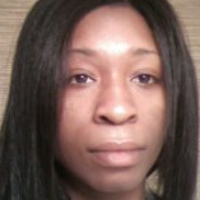
South Carolina · 5 yrs exp
Practical counseling for sleep and relationships
Relationship · Family · Trauma and abuse · Intimacy-related issues · +15 more
Read profile
South Carolina · 8 yrs exp
Person-centered counselor focused on practical change
Stress, Anxiety · Trauma and abuse · Self esteem · Depression · +16 more
Read profile
South Carolina · 13 yrs exp
Practical therapy for anxiety and relationships
Stress, Anxiety · Relationship · Intimacy-related issues · Self esteem · +9 more
Read profile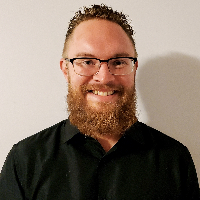
South Carolina · 10 yrs exp
Practical, respectful counseling for life changes
Stress, Anxiety · Addictions · Relationship · Depression · +10 more
Read profile
South Carolina · 6 yrs exp
Practical support for stress and sleep
Stress, Anxiety · Family · Trauma and abuse · Anger · +14 more
Read profile
South Carolina · 3 yrs exp
Practical, respectful therapy for sleep and stress
Stress, Anxiety · Addictions · Grief · Self esteem · +10 more
Read profile
South Carolina · 3 yrs exp
Compassionate, practical help for better sleep and coping
Stress, Anxiety · Grief · Sleeping · Depression · +1 more
Read profile
South Carolina · 24 yrs exp
Practical, goal-focused counseling for everyday struggles
Stress, Anxiety · Addictions · Family · Parenting · +12 more
Read profile
South Carolina · 16 yrs exp
Therapist focused on practical change
Stress, Anxiety · Relationship · Family · Parenting · +14 more
Read profile
South Carolina · 26 yrs exp
Rest-focused therapist with broad clinical experience
Stress, Anxiety · Trauma and abuse · Intimacy-related issues · Depression · +11 more
Read profile
South Carolina · 25 yrs exp
Compassionate, practical support for everyday strain
Stress, Anxiety · Parenting · Self esteem · Depression · +7 more
Read profile
South Carolina · 17 yrs exp
Practical, encouraging counseling for life stresses
Stress, Anxiety · Grief · Anger · Self esteem · +8 more
Read profile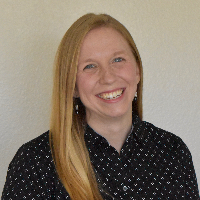
South Carolina · 10 yrs exp
Compassionate counselor guiding practical change
Stress, Anxiety · Relationship · Parenting · Self esteem · +13 more
Read profile
South Carolina · 6 yrs exp
Compassionate social worker focused on practical change
Stress, Anxiety · Trauma and abuse · Anger · Depression · +10 more
Read profile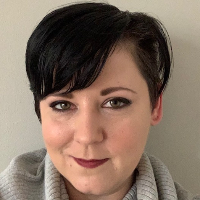
South Carolina · 9 yrs exp
Practical, strengths-based therapy for sleep and life strain
Stress, Anxiety · Addictions · Trauma and abuse · Self esteem · +13 more
Read profile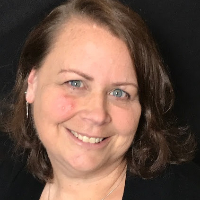
South Carolina · 20 yrs exp
Practical, respectful therapy for life and sleep
Stress, Anxiety · LGBT · Relationship · Family · +15 more
Read profile
South Carolina · 9 yrs exp
Compassionate, practical therapy for everyday challenges
Stress, Anxiety · Relationship · Family · Parenting · +9 more
Read profile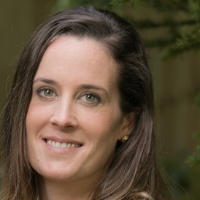
South Carolina · 8 yrs exp
Compassionate counselor for sleep and stress
Stress, Anxiety · Trauma and abuse · Anger · Self esteem · +12 more
Read profile
South Carolina · 21 yrs exp
Compassionate practical support for sleep and stress
Stress, Anxiety · Trauma and abuse · Self esteem · Depression · +12 more
Read profile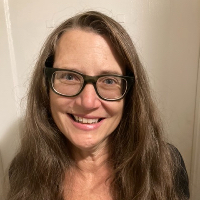
South Carolina · 10 yrs exp
Practical therapy for sleep and life challenges
Stress, Anxiety · Relationship · Trauma and abuse · Self esteem · +16 more
Read profile
South Carolina · 8 yrs exp
Practical cognitive-behavioral counseling for sleep and life changes
Stress, Anxiety · Grief · Self esteem · Depression · +11 more
Read profile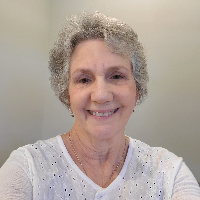
South Carolina · 20 yrs exp
Compassionate counselor for life transitions
Stress, Anxiety · Relationship · Trauma and abuse · Sleeping · +13 more
Read profile
South Carolina · 21 yrs exp
Compassionate counselor focused on practical change
Stress, Anxiety · Trauma and abuse · Self esteem · Depression · +16 more
Read profileOnline therapy in South Carolina has become a common way for people to access mental health care without leaving home. Licensed mental health professionals who work with South Carolina residents use video, phone and messaging tools to offer conversation-based care, coaching-style support and structured therapy sessions. Because regulations vary by profession, anyone providing ongoing therapeutic services to people in South Carolina should hold a South Carolina license appropriate to their discipline. That regulatory framework means that when you choose an online therapist for work that requires a license, you will typically see clinicians who identify as licensed professional counselors, social workers, marriage and family therapists or psychologists, and they will list their credential type on their profile.
Technology has broadened where and how therapy happens, but it has not replaced the basics of the therapeutic relationship. Many therapists adapt traditional approaches for remote delivery while some describe specialized methods in their profiles. If you live in a rural county or have mobility or scheduling constraints, online sessions can increase the number of clinicians you can realistically consider. At the same time, licensing rules influence which clinicians can provide services to people in South Carolina, so therapists in other states may not be able to offer ongoing therapy unless they also hold a South Carolina license or meet telepractice requirements set by state boards.
When you choose online therapy in South Carolina, you may find practical benefits that fit your life. Online sessions reduce travel time and make it easier to fit care around work, school or family commitments. For people who live in areas with fewer local clinicians, remote appointments expand the pool of professionals you can consider. You can also maintain continuity of care if your schedule or location changes, such as during college semesters, seasonal work shifts or relocation within the state.
Online therapy can also make it easier to match with a clinician who speaks your preferred language or who lists experience with the issues you want to address. Some people appreciate the ability to participate from their own home or another comfortable environment, which can lower barriers to seeking support. If you have mobility challenges or caregiving responsibilities, remote sessions may be especially helpful. While online therapy is not a one-size-fits-all solution, many South Carolina residents find it a flexible option that complements their daily routines and reduces friction in getting started with care.
Online therapists in South Carolina work with a wide range of concerns that many people bring to therapy. You can find clinicians who list experience helping with anxiety, depression, relationship difficulties, grief and life transitions, workplace stress, parenting challenges and coping with chronic health issues. Some profiles also indicate experience addressing trauma-related stress, substance-related concerns, and challenges faced by couples or families. When browsing, you will see clinicians describe focus areas and populations they work with, such as adolescents, adults, older adults or specific cultural communities.
Therapists often describe the approaches they use in session; you should read descriptions carefully to understand how a therapist frames their work. For example, you may encounter therapists who list cognitive behavioral therapy, psychodynamic approaches, mindfulness-based work, family-systems approaches, or therapists who list EMDR among their approaches. Listing an approach on a profile does not itself verify specific training, so pay attention to the therapist's description of how they apply those methods and how that aligns with your goals. Thinking about the kinds of changes you want to make will help you identify clinicians whose stated focus areas and methods align with your needs.
Before you commit to working with an online therapist, it is wise to confirm that they hold an active license in South Carolina. Start by locating the therapist's listed license type and number on their profile. Then use the South Carolina Department of Labor, Licensing and Regulation (LLR) website to look up the clinician by name or license number. The LLR portal provides current license status, license expiration dates and information about any disciplinary actions recorded with the state boards. If you are not sure which board to check, the LLR site includes sections for counselors, social workers, marriage and family therapists and psychologists; each board oversees licensing and practice standards for its profession.
If you have questions after reviewing the online records, you can contact the appropriate South Carolina licensing board by phone or email for clarification. In addition to state verification, you may review a therapist's education and professional history on their profile and ask them directly for documentation or references when you speak with them. This step is especially important when you want reassurance that a clinician's credentials and experience align with the kind of work you hope to do.
When you are ready to begin, take practical steps that help you make an informed choice. Start by reading profiles to compare focus areas, approaches, credentials, languages and years of experience. Pay attention to how therapists describe their work philosophy and session structure so you can picture what a typical appointment might feel like. It is reasonable to prepare a short list of what matters most to you - whether that is someone who works with couples, someone who lists trauma-related work, or someone who describes a strengths-based approach - and use those priorities to narrow options.
Preparing for an initial conversation will help you get the most from it. Consider the goals you want to address in therapy and a few questions about how the therapist approaches those concerns. Ask about logistics that matter to you, such as session length, fee structure, whether they accept certain types of insurance and what technology they use for online sessions. You should also consider your environment for sessions and choose a quiet, comfortable place where you can focus. Many people find it helpful to treat an initial call or consultation as a chance to get a feel for the therapist's communication style and whether their approach feels like a good fit.
Finding the right therapist is a personal process that often involves giving yourself permission to try a few conversations before making a longer-term decision. Trust your impressions of how a therapist listens and whether you feel heard and respected. Over time, you can assess whether the therapist’s methods and the pace of work align with your expectations and goals. If you need help interpreting profiles or understanding license verifications, contact the relevant South Carolina licensing board or seek a referral from a trusted local health professional.
Before your first remote session, check your internet connection and make sure your device's camera and microphone work. Choose a place where you feel comfortable speaking and where interruptions are unlikely. Have a list of goals or topics you want to cover and any questions about fees, session length and documentation. Keep a note of the therapist's full name and license information so you can reference it if you later verify credentials with the state. These practical steps can make the first sessions more efficient and help you focus on the work you want to do.
Whether you are seeking short-term coaching-style support or a longer therapeutic relationship, online therapy can be a useful option for many South Carolina residents. Use the directory to explore clinicians who match the populations and issues you care about, and rely on state licensing records to verify credentials. With thoughtful searching and clear communication about your goals and preferences, you can find an online therapist who fits your needs and helps you move forward.
Anger
4070 therapists
Chronic Illness
1690 therapists
Chronic Pain
1690 therapists
Depression
4600 therapists
Grief
4306 therapists
Guilt and Shame
3393 therapists
Isolation / Loneliness
3315 therapists
Midlife Crisis
2517 therapists
Panic Disorder and Panic Attacks
2878 therapists
Seasonal Affective Disorder (SAD)
2222 therapists
Self Esteem
4577 therapists
Sleep and Rest
4731 therapists
Stress & Anxiety
4659 therapists
Trauma and Abuse
4332 therapists