- Focus on relationships
- Practical sleep support
- Goal oriented care
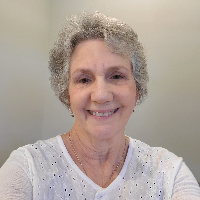
About Jane
Jane Fortune is a Licensed Professional Counselor (LPC) in South Carolina with 20 years of clinical experience. She invites people who are feeling overwhelmed to begin a conversation about change. Her approach is grounded in practical help and steady support rather than quick fixes.
She has worked in private practice for the past 13 years and has additional experience supporting people in office and online settings. Her background includes relationship work informed by three levels of training in the Gottman Model, and many years of life experience as a long-term partner, parent, and grandparent.
In sessions she focuses on clear goals and simple steps. She explains tools, practices them together, and helps people adjust them for daily life. Sleep and rest concerns are part of the range of issues she addresses alongside anxiety, depression, grief, and stress.
Her style is collaborative and warm. She listens first, then offers approaches that match a person’s needs and values. People can expect straightforward conversation and concrete strategies they can try between sessions.
Jane uses several clinical approaches, including acceptance and commitment ideas, cognitive behavioral tools, attachment-based thinking, emotionally focused work, and client-centered listening. She draws from those methods to help with relationships, difficult feelings, addictive behaviors, and life transitions.
How her approaches translate to online work
Acceptance and Commitment Therapy (ACT) helps people notice unhelpful thoughts and make values-based choices. It is often useful for anxiety, stress, and ongoing life changes. Cognitive Behavioral Therapy (CBT) focuses on identifying thoughts and behaviors that keep problems going and testing small changes to see what helps. It is commonly used for sleep issues, depression, and anxiety. Attachment-Based Therapy looks at how early and current relationship patterns affect present bonds and emotions, which can help with intimacy and family concerns.Deciding which approach to use is a joint process. The therapist listens to your situation and goals, explains options, and together you choose methods that match your needs and preferences. That plan can change as progress is made and new priorities appear.
If you are considering online sessions, confirm the current session options before booking since formats can vary. Online work can make it easier to fit therapy into a busy life, reduce travel time, and allow shorter check-ins during a workday. Some methods translate well to remote meetings because they use exercises, homework, and structured conversations that fit a virtual setting. Licensed professionals can adapt tools for your context and help you practice them between sessions.
Areas of expertise
Primary focus
Also works with
Additional focus areas
Therapeutic approaches
Experience
20+ years
Credentials
South Carolina
Languages
English
Frequently asked questions
What kinds of concerns does she help address?
Areas include stress, anxiety, depression, relationship difficulties, trauma and abuse, sleep and rest problems, addictions, grief, and self-esteem among others.
What is her therapeutic style like?
She uses a collaborative, warm style that emphasizes listening first and offering practical steps. Sessions often include tools and actions to try between meetings.
How much clinical experience does she have?
She has 20 years of experience, including 13 years in private practice and prior work supporting individuals, couples, and families in office and online settings.
What credential does she hold and where is she located?
She is a Licensed Professional Counselor, LPC, practicing in South Carolina.
In which languages are sessions provided?
Sessions are offered in English.
Can people outside the United States work with her?
She does not accept international clients at this time.
How are sessions arranged and what formats are offered?
The original biography notes she has worked online and in office settings in the past, but current session formats can change; please confirm the therapist's present session options before booking.
How does cost and scheduling work?
Cost varies with location and therapist availability; sessions use a subscription that can be canceled at any time. To start, select the Start Therapy button and complete the short matching questionnaire.