
Marsha Oxamendi
LCSWFlorida · 14 yrs exp
Compassionate LCSW helping improve sleep and coping
Stress, Anxiety · Grief · Anger · Self esteem · +12 more
Read profileTherapist listings are provided by BetterHelp. We will earn a commission at no additional cost to you if you use our links to purchase.
Welcome to our directory of online therapists serving Florida. All therapists listed here are licensed in Florida - explore profiles to find practitioners whose approaches, focus areas, credentials and languages match your needs.
Florida · 14 yrs exp
Compassionate LCSW helping improve sleep and coping
Stress, Anxiety · Grief · Anger · Self esteem · +12 more
Read profile
Florida · 20 yrs exp
Compassionate counselor for stress and sleep concerns
Stress, Anxiety · Addictions · Relationship · Self esteem · +16 more
Read profile
Florida · 39 yrs exp
Experienced, down-to-earth counselor for rest and relationships
Stress, Anxiety · Relationship · Family · Parenting · +14 more
Read profile
Florida · 10 yrs exp
Calm, practical therapy for better rest
Stress, Anxiety · Addictions · Anger · Depression · +12 more
Read profile
Florida · 25 yrs exp
Practical, goal-focused counseling for life challenges
Relationship · Trauma and abuse · Grief · Anger · +12 more
Read profile
Florida · 25 yrs exp
Calm, experienced counselor for adult concerns
Stress, Anxiety · Family · Grief · Self esteem · +12 more
Read profile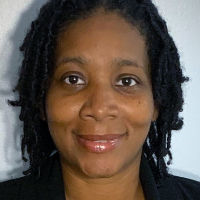
Florida · 13 yrs exp
Compassionate counselor focused on practical change
Stress, Anxiety · Anger · Depression · Coping with life changes · +13 more
Read profile
Florida · 30 yrs exp
Seasoned counselor focused on practical change
Stress, Anxiety · Trauma and abuse · Bipolar · Depression · +16 more
Read profile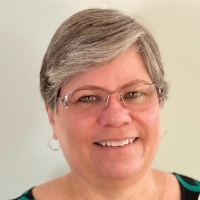
Florida · 22 yrs exp
Calm, practical support for stress and sleep
Stress, Anxiety · Self esteem · Depression · Coping with life changes · +5 more
Read profile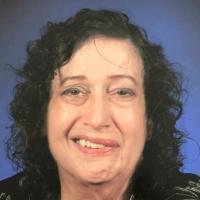
Florida · 30 yrs exp
Experienced Florida psychologist focused on practical change
Stress, Anxiety · Grief · Anger · Depression · +15 more
Read profile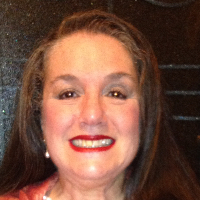
Florida · 13 yrs exp
Practical, direct counseling that feels like a conversation
Stress, Anxiety · Relationship · Intimacy-related issues · Depression · +15 more
Read profile
Florida · 17 yrs exp
Practical support for sleep and life stressors
Addictions · Trauma and abuse · Anger · Bipolar · +14 more
Read profile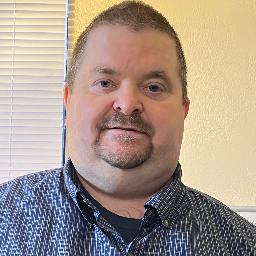
Florida · 20 yrs exp
Compassionate, practical therapy for sleep and life strain
Stress, Anxiety · Addictions · Trauma and abuse · Grief · +14 more
Read profile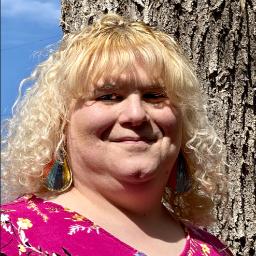
Florida · 10 yrs exp
Compassionate listener focused on practical change
Stress, Anxiety · Addictions · LGBT · Trauma and abuse · +14 more
Read profile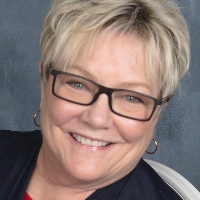
Florida · 40 yrs exp
Compassionate clinician focused on balance and rest
Addictions · Relationship · Grief · Depression · +13 more
Read profile
Florida · 28 yrs exp
Experienced counselor focused on practical support
Stress, Anxiety · Addictions · Relationship · Grief · +14 more
Read profile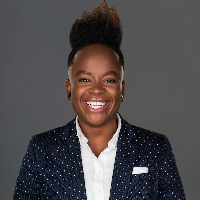
Florida · 17 yrs exp
Practical, empathetic counseling for life changes
Stress, Anxiety · Addictions · Family · Trauma and abuse · +11 more
Read profile
Florida · 32 yrs exp
Compassionate, experienced social worker
Stress, Anxiety · Trauma and abuse · Grief · Depression · +14 more
Read profile
Florida · 20 yrs exp
Experienced LCSW focused on practical change
Stress, Anxiety · Relationship · Family · Trauma and abuse · +16 more
Read profile
Florida · 20 yrs exp
Compassionate counselor for sleep and stress
Stress, Anxiety · Addictions · Relationship · Intimacy-related issues · +14 more
Read profile
Florida · 10 yrs exp
Practical, person-centered care for stress and sleep
Stress, Anxiety · Addictions · Relationship · Anger · +7 more
Read profile
Florida · 40 yrs exp
Compassionate clinician focused on relationships and sleep
Stress, Anxiety · Relationship · Family · Trauma and abuse · +15 more
Read profile
Florida · 22 yrs exp
Calm, experienced guidance for lasting change
Addictions · Relationship · Trauma and abuse · Intimacy-related issues · +4 more
Read profile
Florida · 30 yrs exp
Practical support for stress and sleep concerns
Stress, Anxiety · Family · Trauma and abuse · Parenting · +14 more
Read profileIf you are exploring online therapy in Florida, you will find that remote mental health services have become a steady option for many residents. Providers who offer video or phone sessions typically work under the same licensing rules that apply to in-person practice, and many clinicians list online sessions among the ways they support people across the state. What matters most for you is that the professional you choose meets Florida's licensing standards and that their listed approaches align with the kind of support you want.
Online therapy can be delivered in different formats, from brief check-ins to longer weekly sessions, and a range of clinicians list a variety of approaches on their profiles. Some therapists may note cognitive behavioral approaches, mindfulness-oriented work, or techniques such as EMDR among their approaches; in those cases the listing indicates interest or use rather than an external certification. Because regulatory details and service models can vary, you will want to review a clinician's profile and public license record to confirm the scope of their practice and any relevant disclosures.
Online therapy can make it easier for you to fit mental health care into a busy life. With statewide access, you can connect from home, a workplace break, or while traveling within Florida without needing to commute to an office. That flexibility often helps people who juggle work schedules, caregiving, seasonal travel, or mobility limitations. In addition, you may find a broader range of therapists who list specialized approaches or language options than would be available within a short drive of your home.
For residents in rural parts of the state or on islands where in-person options are limited, online sessions can increase your choices. You may also appreciate the consistency that teletherapy provides when you are managing a life transition - moving between cities within Florida, starting a new job, or handling family changes. While technology adds convenience, you should also plan for a stable internet connection and a private space for sessions so you can participate without distractions.
Therapists who list online sessions often note a wide range of concerns they work with. You can expect many profiles to mention anxiety and depression, relationship and family challenges, grief and loss, stress management, life transitions, and parenting support. Others may highlight work with trauma, including clinicians who list EMDR among their approaches, or substance-related concerns and behavioral health support. The presence of an approach on a profile indicates that a therapist uses that method in practice rather than confirming a specific credential.
When you read profiles, look for language that matches your goals. Some clinicians emphasize short-term coping strategies and skill-building, while others focus on deeper relational patterns or identity-related work. If cultural background or language is important to you, check profile details for bilingual skills or experience with particular communities. That information can help you narrow your search to therapists whose stated experience aligns with the issues you want to address.
Before engaging with an online therapist, it is wise to confirm that the license shown on their profile is current and in good standing with Florida's licensing authorities. You can begin by asking the therapist for their full name and license number, then use the Florida state license search tool or the appropriate licensing board website to look up that information. The online lookup will typically show the license type, issue and expiration dates, and whether any disciplinary actions are recorded.
Different professions have separate boards, such as boards for licensed mental health counselors, clinical social workers, marriage and family therapists, and psychologists. If you have questions about a license record or need help interpreting a public record, the state board's contact information is usually listed on the same site. Checking the public license record gives you a factual view of the clinician's authorization to practice in Florida and any formal actions taken by regulators.
To get started, create a short list of therapists whose profiles mention the approaches, focus areas, credentials, and languages that matter most to you. Read clinician bios to get a sense of their orientation and how they describe working with people. When you are ready to reach out, prepare a brief description of what you want help with, what has or has not worked in the past, and any practical needs such as session length or fee considerations. That information helps you and the therapist determine whether their stated approach aligns with your needs.
During an initial conversation or intake, you can ask about how they structure sessions, how they measure progress, and what a typical course of work might look like for someone with your concerns. If culture, identity, or language are important to you, bring those topics into the conversation to learn how they integrate that context into their work. It is reasonable to ask for their license number and to confirm the license type; a professional will understand that verification is part of making an informed decision.
Choosing a therapist often comes down to fit. Pay attention to how a clinician communicates in their profile and during initial contacts - whether their style feels warm and clear, and whether they describe approaches in a way that resonates with you. Consider the types of issues they emphasize and the approaches they list, knowing that a listed approach signals that they use it in practice. Think about logistics that matter to you as well, such as session length, cost, and whether they list insurance or sliding scale options. Make sure you have a private space for sessions and test your device and internet connection before starting so you can focus on the conversation.
Finally, allow yourself time to evaluate the relationship. It is normal for the first few sessions to feel like an assessment of fit. You may notice whether the therapist asks about your goals, explains how they work, and helps you co-create a plan. If you decide a different match would better suit your needs, you can continue searching with clearer criteria based on what you learned from the first experience. The directory is designed to help you review multiple profiles so you can make an informed choice about who to contact.
Once you have identified therapists who match your priorities, reach out through the contact method on their profile and provide a concise description of your needs. Expect to exchange basic scheduling and administrative details and to have an initial session focused on goals and how you will work together. Keep notes on what felt helpful and what did not, so you can refine your search if needed. The process of finding the right online therapist can be straightforward when you know the key factors to compare: approaches, credentials, focus areas, language, and the professional's licensure status in Florida.
Remember that seeking help is a step toward clarity and change, and that the directory is a tool to help you find licensed clinicians who offer online sessions across Florida. Take your time exploring profiles, verify the factual details that matter to you, and choose a path that supports your needs and schedule.
Anger
4070 therapists
Chronic Illness
1690 therapists
Chronic Pain
1690 therapists
Depression
4600 therapists
Grief
4306 therapists
Guilt and Shame
3393 therapists
Isolation / Loneliness
3315 therapists
Midlife Crisis
2517 therapists
Panic Disorder and Panic Attacks
2878 therapists
Seasonal Affective Disorder (SAD)
2222 therapists
Self Esteem
4577 therapists
Sleep and Rest
4731 therapists
Stress & Anxiety
4659 therapists
Trauma and Abuse
4332 therapists