- Clear coping steps
- Client-centered listening
- Goals-focused work
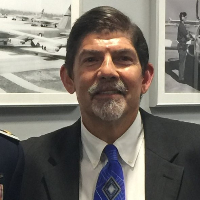
About Douglass
Dr. Douglass Lobo is a licensed mental health counselor with 30 years of experience. He focuses on practical help for people feeling overwhelmed by stress, anxiety, sleep problems, parenting strains, and relationship or intimacy concerns. He speaks English and works from Florida, and he accepts international clients.
He uses straightforward conversation to help people sort through issues. He listens without judgment and offers clear feedback and coping steps. Many people notice changes after a few sessions when they try new strategies between meetings.
With three decades in the field, he has a long history supporting people through trauma, addictions, bipolar and depression, career changes, and grief over life transitions. His work also addresses specific concerns such as abandonment, adoption and foster care, autism and Asperger Syndrome, and codependency. He helps clients manage anger, build self-esteem, and find life purpose.
Dr. Lobo draws on several practical approaches in sessions. He blends client-centered listening with cognitive behavioral techniques to challenge unhelpful thoughts and behaviors. Emotionally-focused methods and mindfulness practices are used when emotions and present-moment awareness are central to the issue.
He has worked across public and private settings, including schools and juvenile services, and continues to consult with school systems while running a private practice. To begin, users complete a short matching questionnaire and schedule sessions based on availability.
How his approaches translate to online therapy
Client-centered therapy focuses on listening and understanding the client's experience. In practice this means the therapist reflects what clients say, asks clarifying questions, and helps them find their own solutions. This style is useful for people who need empathy and clear feedback as they sort through problems.Cognitive behavioral therapy, or CBT, looks at the links between thoughts, feelings, and actions. It uses practical exercises to change unhelpful thinking patterns and behaviors, which can help with anxiety, sleep issues, and mood problems. Emotionally-focused therapy helps people identify and work with strong emotions and repair important relationships through guided conversation.
Finding the right approach is usually a collaborative process. The therapist will talk with the client about goals, try strategies, and adjust methods based on what helps most. Clients are invited to give feedback so the plan can be shaped to their preferences and daily life needs.
Because the biography does not specify session formats, confirm current online options before booking. Online therapy can make it easier to fit sessions into a busy week, reduce travel time, and allow short check-ins when a full session is not possible. Therapists can adapt exercises, homework, and mindfulness practices to work over distance so care feels practical and usable in everyday routines.
Areas of expertise
Primary focus
Also works with
Additional focus areas
Therapeutic approaches
Experience
30+ years
Credentials
Florida
Languages
English
Frequently asked questions
What kinds of problems does this therapist address?
He works with a wide range of concerns including stress, anxiety, sleep difficulties, depression, trauma and abuse, addictions, parenting and family issues, relationship and intimacy problems, ADHD, bipolar disorder, and career or life changes.
How would you describe the therapist's approach in sessions?
Sessions combine client-centered listening with techniques from cognitive behavioral therapy, emotionally-focused work, mindfulness, and motivational interviewing to create practical steps and moment-to-moment emotional support.
What is his professional background?
He brings 30 years of clinical experience and a history of work in public and private settings, including consulting with school systems and work in juvenile services.
Where is this therapist based and what are the credentials?
He is based in Florida and holds the credential FL LMHC, a licensed mental health counselor credential in Florida.
Which languages are supported for sessions?
Sessions are offered in English and international clients are accepted.
What session formats are offered?
The original biography does not list specific session formats; please confirm current session options before booking to know whether online, phone, or in-person sessions are offered.
How is cost handled for sessions?
Cost varies with location and therapist availability; sessions use a subscription model that can be canceled at any time.
How do I get started with this therapist?
Use the Start Therapy button, complete a short matching questionnaire, and then schedule sessions according to therapist availability.