
Eileen Cauley
LCSW-C, LCSWArkansas · 44 yrs exp
Compassionate generalist focused on practical change
Stress, Anxiety · Trauma and abuse · Grief · Self esteem · +16 more
Read profileTherapist listings are provided by BetterHelp. We will earn a commission at no additional cost to you if you use our links to purchase.
Welcome to our directory for online therapists serving Arkansas - all therapists listed here are licensed in the state. Browse profiles to explore approaches, credentials, languages, and areas of focus to find a good match for your needs.
Arkansas · 44 yrs exp
Compassionate generalist focused on practical change
Stress, Anxiety · Trauma and abuse · Grief · Self esteem · +16 more
Read profile
Arkansas · 30 yrs exp
Practical, steady counseling for everyday struggles
Addictions · Trauma and abuse · Anger · Self esteem · +13 more
Read profile
Arkansas · 9 yrs exp
Sleep-focused counselor for daily life
Stress, Anxiety · Family · Self esteem · Depression · +10 more
Read profile
Arkansas · 18 yrs exp
Compassionate, practical therapy for everyday life
Relationship · Trauma and abuse · Grief · Intimacy-related issues · +1 more
Read profile
Arkansas · 18 yrs exp
Warm, practical therapy focused on change
Stress, Anxiety · Grief · Anger · Self esteem · +14 more
Read profile
Arkansas · 8 yrs exp
Compassionate, practical therapy for everyday strain
Stress, Anxiety · Family · Trauma and abuse · Self esteem · +12 more
Read profile
Arkansas · 40 yrs exp
Experienced LCSW for sleep and stress concerns
Stress, Anxiety · Addictions · Family · Trauma and abuse · +16 more
Read profile
Arkansas · 5 yrs exp
Guide for clearer thinking and sleep-focused rest
Stress, Anxiety · Self esteem · Career · Depression · +9 more
Read profile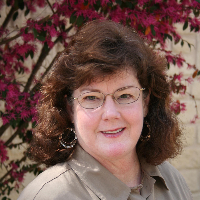
Arkansas · 30 yrs exp
Change-focused LCSW with practical tools
Stress, Anxiety · Trauma and abuse · Self esteem · Depression · +13 more
Read profile
Arkansas · 9 yrs exp
Practical support for stress, sleep, and life changes
Stress, Anxiety · Relationship · Family · Grief · +15 more
Read profile
Arkansas · 13 yrs exp
Practical counseling for everyday struggles
Stress, Anxiety · Relationship · Trauma and abuse · Depression · +13 more
Read profile
Arkansas · 3 yrs exp
Compassionate counselor for rest and resilience
Stress, Anxiety · Grief · Self esteem · Depression · +9 more
Read profile
Arkansas · 9 yrs exp
Practical support for stress and sleep
Stress, Anxiety · Family · Self esteem · Depression · +13 more
Read profile
Arkansas · 18 yrs exp
Practical, compassionate counseling focused on change
Stress, Anxiety · Family · Trauma and abuse · Depression · +15 more
Read profile
Arkansas · 16 yrs exp
Practical counseling for stress and sleep
Stress, Anxiety · Trauma and abuse · Self esteem · Career · +14 more
Read profile
Arkansas · 23 yrs exp
Practical therapy for sleep and stress
Stress, Anxiety · Addictions · LGBT · Trauma and abuse · +7 more
Read profile
Arkansas · 19 yrs exp
Sleep-focused LCSW helping restore rest and balance
Stress, Anxiety · Trauma and abuse · Sleeping · Anger · +12 more
Read profile
Arkansas · 13 yrs exp
Compassionate counselor focused on practical change
Stress, Anxiety · Trauma and abuse · Self esteem · Depression · +12 more
Read profile
Arkansas · 30 yrs exp
Experienced therapist focused on sleep and rest
Stress, Anxiety · Trauma and abuse · Grief · Depression · +13 more
Read profile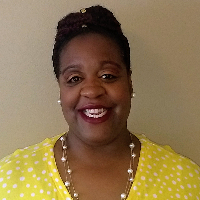
Arkansas · 16 yrs exp
Compassionate, practical support for sleep and life challenges
Stress, Anxiety · Parenting · Anger · Self esteem · +14 more
Read profile
Arkansas · 27 yrs exp
Practical support for better sleep and coping
Stress, Anxiety · Relationship · Depression · Coping with life changes · +15 more
Read profile
Arkansas · 17 yrs exp
Compassionate LCSW helping people regain rest and balance
Trauma and abuse · Anger · Self esteem · Bipolar · +8 more
Read profile
Arkansas · 10 yrs exp
Practical, nonjudgmental help for anxiety and sleep
Stress, Anxiety · LGBT · Self esteem · Depression · +13 more
Read profile
Arkansas · 10 yrs exp
Compassionate counseling for stress and sleep
Stress, Anxiety · Family · Self esteem · Depression · +13 more
Read profileOnline therapy has become an established option for people across Arkansas, including those in urban centers and more rural communities. Many licensed clinicians now offer remote sessions by video or phone, which can make it easier for you to connect with someone who lists the specific approaches and client populations you prefer. The therapists featured in this directory are licensed in Arkansas, so you can expect that their profiles reflect credentials recognized by the state.
Because rules about where a clinician may practice can vary, it helps to understand the basics of telepractice where you live. In general, providers who work with Arkansas residents are licensed to practice in Arkansas. When you review a profile you can look for the license type - for example licensed professional counselor, licensed clinical social worker, or licensed psychologist - and consider which credential aligns with the kind of care you are seeking. If you want clarification about scope of practice or how remote sessions are conducted, a brief outreach to a clinician through their listed contact details can answer questions before you schedule an initial conversation.
Online therapy removes many geographical and logistical barriers that can make in-person treatment difficult. If you live in a small town or a county with limited mental health services, teletherapy lets you connect with clinicians who list specialized areas of focus that may not be available locally. You avoid long commutes, and you can fit sessions into workdays or caregiving schedules more easily. For parents, people with mobility limits, or those juggling shift work, that flexibility can make consistent participation more manageable.
Remote sessions can also support continuity during life transitions. If you move within Arkansas or temporarily travel for work or family reasons, staying connected with the same clinician can help you maintain momentum in therapy. Additionally, you may be able to find clinicians who share your cultural background, speak your preferred language, or have experience addressing the particular issues you are facing. When looking at profiles, consider the practical benefits alongside the therapeutic approach to determine what will work best for your circumstances.
Therapists who offer online services in Arkansas typically work with a wide range of concerns. Many people seek remote therapy for anxiety and depression, where regular sessions can help you develop coping skills and structure. Others look for support with life transitions such as career changes, relocation, or parenting adjustments. Relationship and family issues are common reasons to reach out, including communication challenges, conflict resolution, and premarital or partner work.
Online clinicians also support people dealing with grief, chronic stress, workplace pressures, and substance use-related concerns. Some therapists list trauma-focused approaches among their methods and work with clients on the effects of past adverse experiences, while others emphasize approaches for improving mood, building resilience, or managing chronic health conditions. If you have a specific need, search profiles for therapists who mention that focus area and read how they describe their approach to working with those issues.
Verifying a therapist's license is an important step before you begin working together. You can start by asking a clinician for their license number and the name of the licensing board that issued it. With that information you can use the Arkansas state licensing board's online verification tool or contact the relevant board by phone to confirm the license is active and to review any public disciplinary records. Different professions have different boards, so the board for counselors, the board for social workers, and the board for psychologists may be the appropriate authorities depending on the clinician's credential.
When you look up a license, check the license type and the expiration date, and note whether there are any public orders or actions listed. You can also confirm the clinician's educational background and any professional titles they use. If anything in a profile is unclear, asking the clinician directly for clarification is reasonable. Transparency about credentials and practice policies is a normal part of professional conduct, and an open conversation can help you feel more confident about moving forward.
Beginning online therapy usually starts with a short introductory step. Many clinicians offer a brief initial call or message exchange so you can ask about their approach, what a typical session looks like, and practical matters such as fees and whether they accept insurance. While you should not be asked to share sensitive medical records before an intake, you can expect to discuss your goals for therapy and any immediate concerns during that first conversation.
Once you decide to proceed, set up a space in your home or another private space where you will feel comfortable talking. Make sure your internet connection and device camera and microphone are functioning, and test the video platform ahead of your first session if the clinician uses one. Consider whether you need childcare or to arrange for a quiet time so you can focus. It can also help to have a simple plan for emergencies - for example, knowing how to access local crisis resources in your area - and to discuss any safety planning with your clinician if relevant.
Choosing a therapist is a personal decision, and there is no single formula that fits everyone. Start by matching the clinician's focus areas with the issues you want to address. Read how therapists describe their work and look for language that resonates with you. Pay attention to the approaches listed on profiles - for example cognitive behavioral therapy, psychodynamic work, or mindfulness-based strategies - and remember that profiles list approaches clinicians use rather than formal guarantees of outcomes.
Consider practical factors such as the clinician's credential, years of experience, and languages spoken. If cultural sensitivity or working with specific populations is important to you, look for therapists who mention that experience in their profiles. Think about session logistics like format, session length, cost, and whether the clinician provides documentation for insurance claims. Finally, trust your impressions after an initial conversation. A good therapeutic fit depends on rapport and feeling understood, so give yourself permission to speak with more than one clinician until you find someone who feels right for your needs.
Online therapy in Arkansas offers a flexible way to access professional support across the state. By reviewing profiles, verifying licensure, preparing a comfortable setting for sessions, and reflecting on your priorities for care, you can make an informed choice about a clinician who aligns with your needs. Use the directory to explore clinicians who list approaches and focus areas that match your goals, and reach out to begin a conversation about how they work and what to expect. Taking the first step can help you move toward greater clarity and coping tools tailored to your situation.
Anger
4070 therapists
Chronic Illness
1690 therapists
Chronic Pain
1690 therapists
Depression
4600 therapists
Grief
4306 therapists
Guilt and Shame
3393 therapists
Isolation / Loneliness
3315 therapists
Midlife Crisis
2517 therapists
Panic Disorder and Panic Attacks
2878 therapists
Seasonal Affective Disorder (SAD)
2222 therapists
Self Esteem
4577 therapists
Sleep and Rest
4731 therapists
Stress & Anxiety
4659 therapists
Trauma and Abuse
4332 therapists