
Brooke Bowen
LPCAlabama · 22 yrs exp
Compassionate counselor with practical tools
Stress, Anxiety · Trauma and abuse · Anger · Self esteem · +16 more
Read profileTherapist listings are provided by BetterHelp. We will earn a commission at no additional cost to you if you use our links to purchase.
Welcome to our Alabama online therapy listings. All therapists shown on this page hold state licenses, and many list a variety of clinical approaches and specializations.
Explore individual profiles to learn about credentials, approaches, languages, and experience so you can find a good match for your needs.
Alabama · 22 yrs exp
Compassionate counselor with practical tools
Stress, Anxiety · Trauma and abuse · Anger · Self esteem · +16 more
Read profile
Alabama · 15 yrs exp
Practical skills to improve sleep and daily life
Stress, Anxiety · Addictions · Relationship · Family · +12 more
Read profile
Alabama · 14 yrs exp
Calm guidance for everyday change
Stress, Anxiety · Relationship · Self esteem · Depression · +13 more
Read profile
Alabama · 12 yrs exp
Practical support for better sleep and coping
Stress, Anxiety · Family · Anger · Self esteem · +13 more
Read profile
Alabama · 20 yrs exp
Compassionate counselor focused on practical change
Stress, Anxiety · Grief · Parenting · Depression · +13 more
Read profile
Alabama · 26 yrs exp
Compassionate, experienced social worker focused on practical skills
Stress, Anxiety · Relationship · Family · Trauma and abuse · +15 more
Read profile
Alabama · 16 yrs exp
A steady, practical counselor for sleep and stress
Stress, Anxiety · LGBT · Anger · Self esteem · +14 more
Read profile
Alabama · 30 yrs exp
Experienced counselor focused on practical change
Stress, Anxiety · Addictions · Relationship · Self esteem · +5 more
Read profile
Alabama · 26 yrs exp
Experienced counselor for life stressors
Stress, Anxiety · Addictions · Relationship · Self esteem · +15 more
Read profile
Alabama · 7 yrs exp
Compassionate, practical counseling for everyday life
Stress, Anxiety · Relationship · Grief · Parenting · +9 more
Read profile
Alabama · 19 yrs exp
Compassionate counselor focused on practical change
Stress, Anxiety · Trauma and abuse · Eating · Depression · +15 more
Read profile
Alabama · 5 yrs exp
Practical therapy focused on daily wellbeing
Stress, Anxiety · Grief · Self esteem · Depression · +12 more
Read profile
Alabama · 20 yrs exp
Grounded counseling for better sleep and coping
Stress, Anxiety · Grief · Anger · Self esteem · +11 more
Read profile
Alabama · 19 yrs exp
Steady, practical therapy for life transitions
Stress, Anxiety · Self esteem · Depression · Coping with life changes · +10 more
Read profile
Alabama · 16 yrs exp
Practical, values-focused support for sleep and stress
Stress, Anxiety · Addictions · Trauma and abuse · Eating · +13 more
Read profile
Alabama · 15 yrs exp
Practical, compassionate therapy focused on skills and sleep
Stress, Anxiety · Addictions · Bipolar · Depression · +16 more
Read profile
Alabama · 8 yrs exp
Compassionate counselor focused on practical progress
Stress, Anxiety · Relationship · Family · Sleeping · +8 more
Read profile
Alabama · 9 yrs exp
Therapist focused on rest and balanced living
Stress, Anxiety · LGBT · Relationship · Trauma and abuse · +15 more
Read profile
Alabama · 24 yrs exp
Guiding steady change with practical care
Stress, Anxiety · Self esteem · Career · Coping with life changes · +14 more
Read profile
Alabama · 20 yrs exp
Calm, practical counseling for real-life struggles
Stress, Anxiety · Addictions · Family · Anger · +14 more
Read profile
Alabama · 8 yrs exp
Compassionate counselor for stress and sleep
Stress, Anxiety · Addictions · Relationship · Self esteem · +12 more
Read profile
Alabama · 10 yrs exp
Practical counseling for stress and life changes
Stress, Anxiety · Addictions · Grief · Anger · +15 more
Read profile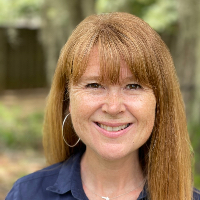
Alabama · 20 yrs exp
Practical support for sleep and life stressors
Stress, Anxiety · Relationship · Family · Parenting · +14 more
Read profile
Alabama · 23 yrs exp
Compassionate LCSW focused on practical change
Stress, Anxiety · Addictions · Sleeping · Anger · +8 more
Read profileOnline therapy has become a common way for people in Alabama to access mental health and behavioral support. Many licensed clinicians include virtual sessions among their listed services, which can expand options beyond what is available in your town. In Alabama, the regulatory framework for clinicians means that providers must hold an appropriate state license to offer care to someone physically located in Alabama during a session. That means when you connect with a clinician through the listings you will often see a note about the license type they hold - such as Licensed Professional Counselor, Licensed Clinical Social Worker, licensed marriage and family therapist, psychologist, or a medical provider. Those titles reflect the credential category, not a guarantee of any specific outcome.
Because online therapy reduces geographic barriers, you can search for practitioners who focus on the issues that matter to you, who speak your language, or who share cultural competence relevant to your background. The directory presents profiles that typically include listed approaches and specialties so you can begin your search with clearer expectations about the clinician's focus areas. Keep in mind that the presence of an approach on a profile indicates that the clinician lists it among their methods, and it is reasonable to ask them about how they apply that method in practice before beginning sessions.
You may find online therapy convenient for a variety of reasons. It removes the commute, which can be especially helpful when rural distances or traffic make in-person visits difficult. It also makes it easier to fit sessions around work, family, or school commitments. For people balancing caregiving responsibilities or irregular schedules, a virtual format can make consistent support more feasible. Online therapy also gives you a broader selection of clinicians to choose from, so you can prioritize factors such as language, therapeutic approach, or experience with particular life situations.
Many people discover that virtual sessions work well for talk-based therapy, skills training, and ongoing counseling. You can also coordinate care with a primary care clinician or other professionals by sharing notes or treatment goals, when appropriate. Technology considerations are important - reliable internet, a device with a camera and microphone, and a quiet, comfortable environment for your session will help the encounter run smoothly. If you have concerns about how a clinician manages clinical emergencies or how they adapt materials for online use, you can ask them to explain their procedures so you feel informed before starting care.
Online therapists in Alabama address a wide range of life challenges and mental health concerns. People commonly seek help for anxiety and mood-related symptoms, stress management, grief and loss, relationship and family issues, parenting support, and transitions such as relocation or job change. Clinicians also work with people coping with trauma-related symptoms, substance use challenges, chronic illness adjustment, and identity-related concerns including sexual orientation and gender identity. Many clinicians list approaches that align with their way of working, which can guide the kinds of strategies they emphasize during sessions.
Therapists who list particular modalities among their approaches may focus on skills-building, processing emotions, improving communication, or reducing symptoms through behavior-based strategies. If you are dealing with a specific life event or a sustained pattern of difficulty, you can look for profile details that describe experience with that focus area. It is also reasonable to ask a clinician how they typically structure sessions for the issue you bring and what kinds of goals they prioritize in early visits. That conversation can help you decide whether their approach fits what you are seeking.
Verifying a clinician's license is an important step in selecting an online therapist. You can begin by locating the license information listed on the clinician's profile and noting the license type and license number if provided. The next step is to consult the appropriate Alabama licensing board for that profession to confirm the license is active and to view any public disciplinary history. Depending on the clinician's credential, the relevant authorities typically include the Alabama Board of Examiners in Counseling, the Alabama State Board of Social Work Examiners, the board that regulates psychologists, or the Alabama State Board of Medical Examiners for medical providers. Each board offers an online lookup or public directory where you can enter a name or license number.
When you search a board database, look for the license status, the date the license was issued, the expiration date if shown, and any public records or actions. If a profile does not include a license number, you can contact the clinician and request it so you can perform the lookup yourself. Remember that job titles and degree abbreviations can vary, so matching the name and city in the directory with the board entry helps ensure you are viewing the correct record. If anything on the board website raises questions, you can reach out to the licensing board for clarification about what the public records mean.
Starting online therapy usually begins with reviewing profiles and contacting clinicians whose listed specialties and approaches feel relevant to your needs. When you reach out, you can ask practical questions about session length, how they typically structure an initial meeting, paperwork and intake procedures, fees and payment methods, and whether they accept certain insurance plans. While profiles provide an introduction, a short conversation or intake call can clarify how the clinician approaches goal setting and what a typical course of work might look like for someone with your concerns. That conversation also gives you a sense of communication style and rapport before you commit to an ongoing plan.
When choosing a therapist, think about what matters most to you in the therapeutic relationship. Some people prioritize a clinician's title or degree, while others look for experience with a particular issue, a shared cultural background, language match, or an approach that emphasizes practical skills. You may prefer a clinician who lists collaborative goal setting, or someone who emphasizes reflective exploration. The right match often depends on how you prefer to engage in therapy. It is reasonable to discuss how they apply an approach that appears on their profile - for example, asking how they incorporate specific techniques when working with someone facing the issue you bring - because the presence of a method on a profile indicates it is among their approaches, not that it is a specific certification.
Also consider logistical factors such as session length, fees, sliding scale options, and accepted payment methods. If insurance is important to you, ask whether the clinician is in-network or whether they can provide documentation for out-of-network reimbursement. Make sure you understand cancellation policies and how clinical notes or records are handled. Finally, trust your sense of fit. You should feel respected and heard during early conversations, and it is acceptable to seek another clinician if the dynamic does not feel like the right match for you.
Before your first online session, choose a quiet, comfortable environment where you can speak without interruptions. Test your internet connection, camera, and microphone, and become familiar with any platform or app the clinician uses. Have a list of your goals or topics you want to address, and bring any questions about methods, goals, or policies. If you are currently taking medications or working with other health professionals, you may want to have that information available to share. Early sessions typically focus on gathering history, clarifying goals, and establishing a collaborative plan, so entering with a clear sense of what you hope to achieve can make those first meetings more productive.
Finding an online therapist in Alabama is a process you can approach methodically. Use the directory profiles to narrow your options by license, languages, listed approaches, and areas of focus, verify credentials through state resources, and rely on initial conversations to determine fit. With a thoughtful approach, you can identify a clinician whose style, experience, and approach align with your needs and begin work toward the changes you want to make.
Anger
4070 therapists
Chronic Illness
1690 therapists
Chronic Pain
1690 therapists
Depression
4600 therapists
Grief
4306 therapists
Guilt and Shame
3393 therapists
Isolation / Loneliness
3315 therapists
Midlife Crisis
2517 therapists
Panic Disorder and Panic Attacks
2878 therapists
Seasonal Affective Disorder (SAD)
2222 therapists
Self Esteem
4577 therapists
Sleep and Rest
4731 therapists
Stress & Anxiety
4659 therapists
Trauma and Abuse
4332 therapists