
Thomas (Tom) Warren
LCMHCNorth Carolina · 51 yrs exp
Experienced counselor focusing on rest and relationships
Relationship · Intimacy-related issues · Parenting · Self esteem · +12 more
Read profileTherapist listings are provided by BetterHelp. We will earn a commission at no additional cost to you if you use our links to purchase.
Welcome to RestAndRecover.org’s North Carolina therapist listings. All therapists shown here are licensed to practice in North Carolina. Explore profiles to learn about approaches, languages, and professional credentials to find a match that feels right for you.
North Carolina · 51 yrs exp
Experienced counselor focusing on rest and relationships
Relationship · Intimacy-related issues · Parenting · Self esteem · +12 more
Read profile
North Carolina · 10 yrs exp
Clinical social worker with faith-informed care
Stress, Anxiety · Relationship · Family · Bipolar · +16 more
Read profile
North Carolina · 46 yrs exp
Seasoned psychologist focused on practical change
Stress, Anxiety · Relationship · Parenting · Depression · +12 more
Read profile
North Carolina · 16 yrs exp
Compassionate, direct support for recovery and rest
Stress, Anxiety · Addictions · Trauma and abuse · Anger · +13 more
Read profile
North Carolina · 20 yrs exp
Practical counseling for sleep and life changes
Stress, Anxiety · Parenting · Self esteem · Depression · +15 more
Read profile
North Carolina · 5 yrs exp
Helping people manage stress and sleep
Stress, Anxiety · Family · Trauma and abuse · Depression · +15 more
Read profile
North Carolina · 24 yrs exp
Experienced LCSW focused on trauma and rest
Stress, Anxiety · Relationship · Family · Trauma and abuse · +14 more
Read profile
North Carolina · 5 yrs exp
Practical support for stress and sleep
Relationship · Trauma and abuse · Self esteem · Depression · +13 more
Read profile
North Carolina · 16 yrs exp
Compassionate care for sleep and life balance
Stress, Anxiety · Addictions · Grief · Eating · +12 more
Read profile
North Carolina · 14 yrs exp
Practical therapy for stress and sleep
Stress, Anxiety · Relationship · Family · Trauma and abuse · +9 more
Read profile
North Carolina · 20 yrs exp
Rest-focused LCSW offering practical coping skills
Stress, Anxiety · Addictions · Trauma and abuse · Grief · +11 more
Read profile
North Carolina · 43 yrs exp
Experienced counselor focused on rest and recovery
Stress, Anxiety · Trauma and abuse · Grief · Self esteem · +4 more
Read profile
North Carolina · 10 yrs exp
Practical therapy for stress and sleeping struggles
Stress, Anxiety · Addictions · Self esteem · Career · +7 more
Read profile
North Carolina · 25 yrs exp
Experienced LMFT focusing on relationships and rest
Stress, Anxiety · Relationship · Family · Grief · +15 more
Read profile
North Carolina · 13 yrs exp
Compassionate counselor for sleep and stress
Stress, Anxiety · Addictions · Relationship · Trauma and abuse · +3 more
Read profile
North Carolina · 8 yrs exp
Compassionate counselor focused on rest and balance
Stress, Anxiety · Trauma and abuse · Self esteem · Depression · +11 more
Read profile
North Carolina · 11 yrs exp
Compassionate LCSW focused on practical change
Stress, Anxiety · Trauma and abuse · Self esteem · Depression · +13 more
Read profile
North Carolina · 9 yrs exp
Practical, goal-focused therapy for daily life
Stress, Anxiety · Grief · Anger · Depression · +13 more
Read profile
North Carolina · 20 yrs exp
Calm, practical therapy for stress and sleep
Stress, Anxiety · Grief · Self esteem · Depression · +12 more
Read profile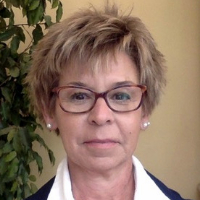
North Carolina · 25 yrs exp
Experienced LCSW focused on practical change
Stress, Anxiety · Relationship · Grief · Depression · +14 more
Read profile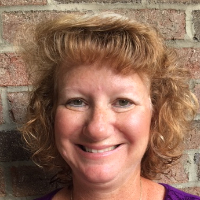
North Carolina · 20 yrs exp
Calm-focused social worker who uses ACT and CBT
Stress, Anxiety · Relationship · Family · Parenting · +13 more
Read profile
North Carolina · 22 yrs exp
Sleep-focused counselor with practical tools
LGBT · Family · Trauma and abuse · Grief · +13 more
Read profile
North Carolina · 12 yrs exp
Compassionate counselor for sleep and life challenges
Stress, Anxiety · Trauma and abuse · Anger · Depression · +14 more
Read profile
North Carolina · 10 yrs exp
Mind-body LCSW helping with sleep and stress
Stress, Anxiety · Addictions · Self esteem · Depression · +16 more
Read profileIf you live in North Carolina, online therapy has become a common way to connect with mental health professionals across the state. Many clinicians offer sessions by video or phone so you can speak with someone from your home, office, or another location that works for you. Laws and professional standards require that the clinician providing care hold a license to practice in North Carolina when you are located in the state, so the listings here focus on therapists who are licensed to work with North Carolina residents. Technology has changed how therapy is delivered, but the goals remain the same - building a working relationship, addressing the concerns you bring, and developing skills or insights to improve daily life.
Online therapy can take different forms depending on the therapist’s approach and the needs you have. Some therapists primarily use talk-based therapies that focus on patterns of thought and behavior. Others incorporate experiential methods, mindfulness, or somatic awareness. When a profile notes approaches such as cognitive behavioral therapy, trauma-focused work, or EMDR, that simply indicates the clinician lists those approaches among the methods they use. It does not imply certification or a specific credential beyond the license noted on the profile.
You may find that online therapy offers practical advantages if you live in a rural area, commute long distances, or juggle caregiving and work responsibilities. Being able to meet over video or phone can reduce the time and effort needed for travel and make it easier to fit sessions into a busy week. Online sessions can also broaden the pool of clinicians you can consider, which helps if you are looking for particular language skills or a therapist who lists experience with a specific cultural background or life stage.
Another benefit is continuity - if your life circumstances change, you may be able to maintain a therapeutic relationship without relocating your care. Many therapists use platforms that include privacy protections and encrypted connections to help keep your conversations protected, and therapists are bound by professional ethics and state regulations regarding privacy and record keeping. Before you begin, you can ask a therapist how they handle documentation, data protection, and what to expect if a technical issue occurs during a session.
Online therapists address a wide range of concerns. You might seek support for persistent anxiety, patterns of depression, stress related to work, or feelings of overwhelm during major life transitions. Relationship challenges - whether between partners, family members, or roommates - are often a focus of online counseling, as are parenting questions and adapting to new family roles. Therapists also frequently work with people processing grief and loss, coping with chronic health conditions, and managing the emotional impact of trauma.
Substance use, though complex, is another area where therapists offer support, especially when the work centers on motivation, coping strategies, and connections to additional resources. If you are considering online therapy for trauma-related symptoms, it can be helpful to note therapists who list trauma-focused approaches among their methods. Remember that a profile listing an approach indicates the therapist reports using it in practice, and you can ask them how they apply it when you contact them.
Confirming a therapist’s license is an important step in your search. First, identify the professional title on the therapist’s profile - common licenses include licensed clinical social worker, licensed professional counselor, marriage and family therapist, and psychologist. Profiles often include a license number or the issuing state. With that information, you can contact the relevant state licensing board or visit the board’s online license lookup tool to confirm the license status. The lookup will typically show whether the license is active, the expiration date, and any disciplinary actions or restrictions that may be on record.
When you review a license record, check the listed scope of practice so you understand what services the professional is authorized to provide. If you are unsure which board governs a specific license type, the therapist’s profile should indicate the license designation; you can then search for the corresponding North Carolina licensing board. If anything on the public record seems unclear or if you have questions about a license’s scope, you can contact the board directly to request clarification. Keeping a note of the license number and the date you checked the status can be useful as you compare profiles.
When you are ready to contact a therapist, review their profile carefully to see the issues and approaches they list. Make a short note of what brought you to therapy and what you hope to address so you can describe that clearly when you reach out. Ask about session length and whether they conduct sessions by video, phone, or another format. You can also ask about fees, insurance billing, and any paperwork they require before the first session. Gathering this information ahead of time makes it easier to decide which clinicians you want to contact.
You do not need elaborate equipment to begin online therapy - a smartphone, tablet, or computer with a camera and microphone is typically sufficient. Make sure your device has a reliable internet connection and a quiet area where you can speak without interruption. If you plan to use video, check that your camera and audio function properly and that you are comfortable with the platform the therapist uses. If technical issues arise during a session, ask what the backup plan will be - for example, switching to a phone call or rescheduling the session.
You will likely feel more comfortable with a therapist who lists experience or a focus area that aligns with your concerns. If cultural background, language, or life stage matter to you, look for therapists who list those elements in their profiles. Pay attention to the therapeutic approaches a therapist lists, such as cognitive behavioral strategies, psychodynamic perspectives, mindfulness-based methods, or trauma-focused care. If a particular method is important to you, seek therapists who list it and ask how they apply it in sessions.
Consider the practical elements that shape your experience - session length, frequency, fees, and insurance or reimbursement options. Some therapists list sliding-scale fees or offer different fee structures for phone versus video sessions. If cost is a concern, ask directly about payment arrangements and whether they can provide documentation for insurance reimbursement. Also ask about the expected length of therapy - some people seek short-term work on a specific problem, while others prefer a longer-term relationship. Knowing what you want will help you choose a therapist whose approach fits that timeframe.
Your sense of fit matters. After one or two sessions you will have a clearer idea of whether the therapist’s style and communication feel comfortable to you. It is okay to change therapists if something does not feel like a good match - finding the right person for your needs is a reasonable and common part of the process. When you speak with a therapist, you can ask about how they measure progress and what to expect from the therapeutic relationship so you have a mutual understanding of goals and steps.
Online therapy can be an effective way to get support while staying in North Carolina. By checking licenses, clarifying practical details, and prioritizing fit and approach, you can find a clinician who matches your needs and preferences. Use the listings here to explore credentials, approaches, languages, and focus areas so you can take the next step toward care that suits your life and goals.
Anger
4070 therapists
Chronic Illness
1690 therapists
Chronic Pain
1690 therapists
Depression
4600 therapists
Grief
4306 therapists
Guilt and Shame
3393 therapists
Isolation / Loneliness
3315 therapists
Midlife Crisis
2517 therapists
Panic Disorder and Panic Attacks
2878 therapists
Seasonal Affective Disorder (SAD)
2222 therapists
Self Esteem
4577 therapists
Sleep and Rest
4731 therapists
Stress & Anxiety
4659 therapists
Trauma and Abuse
4332 therapists