
Lucritia (Ann) Sayles
LIMHPNebraska · 14 yrs exp
Compassionate, practical care for sleep and stress
Stress, Anxiety · Grief · Bipolar · Depression · +13 more
Read profileTherapist listings are provided by BetterHelp. We will earn a commission at no additional cost to you if you use our links to purchase.
Welcome to our directory of online therapists serving Nebraska. All therapists listed are licensed in Nebraska - explore profiles to compare specialties, approaches, credentials, and languages.
Nebraska · 14 yrs exp
Compassionate, practical care for sleep and stress
Stress, Anxiety · Grief · Bipolar · Depression · +13 more
Read profile
Nebraska · 25 yrs exp
Practical therapy for stress and sleep struggles
Stress, Anxiety · Family · Trauma and abuse · Parenting · +12 more
Read profile
Nebraska · 5 yrs exp
Practical support for sleep and life stress
Stress, Anxiety · Relationship · Self esteem · Depression · +7 more
Read profile
Nebraska · 25 yrs exp
Compassionate, practical help for better rest
Addictions · Grief · Self esteem · Depression · +15 more
Read profile
Nebraska · 15 yrs exp
Practical therapy for stress and relationships
Stress, Anxiety · Relationship · Trauma and abuse · Grief · +9 more
Read profile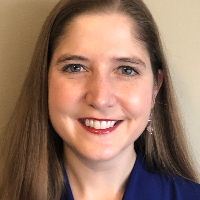
Nebraska · 11 yrs exp
Compassionate present-focused therapy
Stress, Anxiety · Relationship · Family · Grief · +13 more
Read profile
Nebraska · 15 yrs exp
Supportive Nebraska LMHP guiding practical change
Stress, Anxiety · Family · Trauma and abuse · Depression · +11 more
Read profile
Nebraska · 8 yrs exp
Compassionate, practical therapy for life changes
Stress, Anxiety · Anger · Self esteem · Coping with life changes · +11 more
Read profile
Nebraska · 33 yrs exp
Experienced LIMHP focused on practical change
Stress, Anxiety · LGBT · Relationship · Trauma and abuse · +16 more
Read profile
Nebraska · 34 yrs exp
Calm, experienced counselor focused on rest
Stress, Anxiety · Addictions · Relationship · Family · +12 more
Read profile
Nebraska · 6 yrs exp
Compassionate person-centered therapy for rest and balance
Stress, Anxiety · Addictions · Trauma and abuse · Intimacy-related issues · +13 more
Read profile
Nebraska · 38 yrs exp
Experienced, practical therapy for life and sleep
Stress, Anxiety · Grief · Depression · Coping with life changes · +11 more
Read profile
Nebraska · 6 yrs exp
Gentle, practical support for better balance
Stress, Anxiety · Trauma and abuse · Grief · Relationship · +9 more
Read profile
Nebraska · 4 yrs exp
Collaborative, person-centered therapy for rest and life
Stress, Anxiety · Family · Self esteem · Coping with life changes · +13 more
Read profile
Nebraska · 17 yrs exp
Compassionate therapist focused on rest and recovery
Addictions · Trauma and abuse · Self esteem · Depression · +14 more
Read profile
Nebraska · 50 yrs exp
Experienced Nebraska clinician focusing on practical change
Stress, Anxiety · Trauma and abuse · Grief · Self esteem · +14 more
Read profile
Nebraska · 22 yrs exp
Compassionate counselor with lived recovery experience
Addictions · Relationship · Career · Depression · +9 more
Read profile
Nebraska · 31 yrs exp
Calm, practical support for sleep and life challenges
Relationship · Trauma and abuse · Intimacy-related issues · Depression · +15 more
Read profile
Nebraska · 3 yrs exp
Narrative-focused counselor offering practical support
Stress, Anxiety · Relationship · Intimacy-related issues · Parenting · +16 more
Read profile
Nebraska · 25 yrs exp
Practical, experienced counselor for life transitions
Relationship · Grief · Career · Coping with life changes · +9 more
Read profile
Nebraska · 15 yrs exp
Licensed therapist focused on life transitions and rest
Stress, Anxiety · Sleeping · Self esteem · Depression · +1 more
Read profile
Nebraska · 12 yrs exp
Practical support for sleep and mood
Trauma and abuse · Sleeping · Anger · Bipolar · +1 more
Read profileIf you are looking for mental health support in Nebraska, you will find that online therapy has become an established option across the state. State licensing rules guide how therapists provide services to Nebraska residents, and many clinicians choose to offer video or phone sessions to reach people beyond traditional office locations. Online therapy in Nebraska includes a range of licensed mental health professionals who indicate their counseling approaches, target populations, and language skills on directory profiles. When you use a directory to find a therapist, those profile details help you narrow options based on the approaches therapists list, the issues they commonly address, and the credentials they display.
Because regulations vary by state, therapists who list Nebraska as a place they serve hold licenses issued by Nebraska licensing authorities. This matters for professional oversight and for understanding who is legally authorized to provide therapy in the state. If you live in a rural area, online therapy can connect you with clinicians who practice in urban centers as well as those who reside in your region. The growth of online options has broadened the types of expertise accessible to Nebraskans, including clinicians who list EMDR among their approaches or who note that they use cognitive behavioral therapy (CBT) among their methods. Profiles typically describe the populations therapists work with and the kinds of concerns they address, which gives you a clearer picture of potential matches.
You may find online therapy particularly helpful if travel distances, weather, or scheduling make in-person visits difficult. Nebraska includes both densely populated cities and wide rural areas, so accessing a therapist remotely removes geographic barriers and reduces the time you spend commuting. Online sessions can fit more easily into your week if you need evening or midday times that would otherwise require time off work or long drives. Remote therapy also makes it simpler to maintain continuity of care when life circumstances change - such as moving within the state or taking a job with a long commute.
Another benefit is the range of specializations you can reach without being limited to local offices. If you prefer working with someone who understands a particular life stage, cultural background, or language, a therapist profile allows you to identify clinicians who list those competencies. For people balancing family responsibilities or caregiving, remote therapy can reduce the logistical stress of appointments. While online therapy is not a replacement for emergency services, it does provide an accessible way to pursue regular mental health support and to continue therapy through transitions in your life.
Online therapists in Nebraska work with a broad spectrum of concerns, from everyday stress to longer-term emotional patterns. You can find clinicians who list experience addressing anxiety, depression, relationship challenges, grief, life transitions, and work-related stress. Many therapists also indicate that they support people navigating parenting concerns, college adjustment, or identity and minority stress. Profiles often describe both the populations therapists focus on and the clinical themes they address, which helps you identify practitioners whose stated interests align with your needs.
Approaches listed on profiles reflect a variety of therapeutic orientations. For example, some therapists will list cognitive behavioral therapy among their approaches, while others may list psychodynamic, mindfulness-based, or humanistic methods. If you are interested in trauma-focused work you may find therapists who list EMDR among their approaches; that phrasing clarifies that the approach appears on their profile without implying a specific credential beyond what they list. The online format supports a wide range of therapeutic conversations, including short-term problem-focused work and longer-term exploration. You should look at how therapists describe the issues they address and the client populations they note, so you can find someone who emphasizes the kinds of concerns you want to work on.
Verifying a therapist's license is an important step before beginning work together. The Nebraska licensing board maintains public records where you can confirm a clinician's licensure status, license type, and any disciplinary actions. When you view a therapist profile, you will often find a license number or a link to licensing information; you can use that information to search the state board's online portal. If a profile lacks a license number you may request it directly from the clinician so you can verify the record yourself.
When you check licensure, pay attention to the exact title used - such as licensed professional counselor, licensed clinical social worker, or psychologist - and ensure that the license was issued in Nebraska. The licensing portal will typically show whether the license is active and if there are any public orders or complaints. Verifying a license also clarifies whether a clinician is permitted to deliver services across state lines under Nebraska rules. If you have questions about licensing categories or how to interpret a record, the licensing board's contact information can help you request clarification. Taking a few minutes to confirm licensure helps you make an informed choice about who you want to contact for an initial conversation.
Getting started with online therapy begins with identifying what matters most to you - whether that is a therapist's approach, experience with particular issues, language, cultural background, or the age groups they work with. Use the directory to review profiles and read the descriptions therapists provide. When you find clinicians who seem promising, reach out to ask about their work style, how they structure sessions, and what kinds of goals they typically support. You can ask practical questions about session length, what technology they use for remote sessions, and how they handle scheduling and cancellations. These are reasonable questions that help you picture what collaborating with a therapist would be like.
As you speak with potential therapists, pay attention to how they respond to your questions and whether their communication style fits what you prefer. You might favor a therapist who emphasizes skill-based strategies, or you may prefer someone who highlights reflective exploration. If an approach matters to you, look for language that reflects that in profiles - for instance, therapists who list cognitive behavioral therapy among their approaches if you want practical tools, or therapists who list other modalities if you are looking for a different focus. It is also helpful to consider logistical fit - the hours they note, the languages they speak, and any populations they specifically mention working with - so your choice aligns with real-world needs.
Finally, give yourself permission to prioritize fit. Starting therapy is a personal step, and finding the right match can take time. You should feel comfortable asking questions and seeking a therapist whose profile and initial conversations feel right for you. Using profile details to narrow your options, verifying licensure, and preparing a short list of questions for first contact will make the process more manageable and help you begin work with a clinician who matches your goals and preferences.
Anger
4070 therapists
Chronic Illness
1690 therapists
Chronic Pain
1690 therapists
Depression
4600 therapists
Grief
4306 therapists
Guilt and Shame
3393 therapists
Isolation / Loneliness
3315 therapists
Midlife Crisis
2517 therapists
Panic Disorder and Panic Attacks
2878 therapists
Seasonal Affective Disorder (SAD)
2222 therapists
Self Esteem
4577 therapists
Sleep and Rest
4731 therapists
Stress & Anxiety
4659 therapists
Trauma and Abuse
4332 therapists