
Menzo Faassen
LPCVirginia · 24 yrs exp
LPC offering practical, affirming therapy
Addictions · LGBT · Trauma and abuse · Grief · +10 more
Read profileTherapist listings are provided by BetterHelp. We will earn a commission at no additional cost to you if you use our links to purchase.
Welcome to our directory for Virginia online therapists. All therapists listed here are licensed to practice in Virginia. Explore profiles to compare approaches, languages, and areas of experience to find a therapist who fits your needs.
Virginia · 24 yrs exp
LPC offering practical, affirming therapy
Addictions · LGBT · Trauma and abuse · Grief · +10 more
Read profile
Virginia · 4 yrs exp
Careful, practical therapy for everyday challenges
Stress, Anxiety · Grief · Anger · Self esteem · +10 more
Read profile
Virginia · 35 yrs exp
Compassionate, practical therapy for everyday problems
Stress, Anxiety · Eating · Self esteem · Depression · +13 more
Read profile
Virginia · 26 yrs exp
Sleep-focused licensed social worker
Stress, Anxiety · Relationship · Family · Depression · +11 more
Read profile
Virginia · 12 yrs exp
Practical, respectful therapy for everyday challenges
Stress, Anxiety · Relationship · Family · Self esteem · +8 more
Read profile
Virginia · 10 yrs exp
Compassionate counselor for stress and sleep concerns
Stress, Anxiety · LGBT · Self esteem · Depression · +12 more
Read profile
Virginia · 12 yrs exp
Compassionate counselor for everyday struggles
Stress, Anxiety · Relationship · Anger · Self esteem · +16 more
Read profile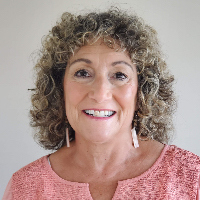
Virginia · 30 yrs exp
Compassionate guidance for everyday struggles
Stress, Anxiety · Family · Parenting · Self esteem · +14 more
Read profile
Virginia · 26 yrs exp
Practical therapy for stress and sleep
Stress, Anxiety · Addictions · Anger · Bipolar · +14 more
Read profile
Virginia · 4 yrs exp
Practical support for stress and sleep
Stress, Anxiety · Self esteem · Career · Depression · +12 more
Read profile
Virginia · 15 yrs exp
Practical therapy for stress and sleep
Stress, Anxiety · Grief · Eating · Career · +13 more
Read profile
Virginia · 3 yrs exp
Compassionate counselor helping restore rest and balance
Stress, Anxiety · Trauma and abuse · Self esteem · Depression · +11 more
Read profile
Virginia · 20 yrs exp
Compassionate counselor focusing on sleep and relationships
Stress, Anxiety · Family · Trauma and abuse · Bipolar · +12 more
Read profile
Virginia · 3 yrs exp
Practical support for stress and sleep struggles
Stress, Anxiety · Relationship · Self esteem · Depression · +10 more
Read profile
Virginia · 6 yrs exp
Experienced LCSW focused on practical support
Stress, Anxiety · Family · Trauma and abuse · Parenting · +10 more
Read profile
Virginia · 32 yrs exp
Practical guidance for stress and sleep concerns
Stress, Anxiety · Addictions · Relationship · Family · +5 more
Read profile
Virginia · 30 yrs exp
Compassionate counselor focused on practical change
Stress, Anxiety · Relationship · Self esteem · Career · +15 more
Read profile
Virginia · 23 yrs exp
Practical, respectful help for sleep and stress
Stress, Anxiety · Addictions · Self esteem · Depression · +16 more
Read profile
Virginia · 19 yrs exp
Rest-focused therapist in Virginia
Stress, Anxiety · Relationship · Family · Parenting · +14 more
Read profile
Virginia · 21 yrs exp
Supportive, practical counseling for everyday struggles
Stress, Anxiety · Family · Trauma and abuse · Self esteem · +14 more
Read profile
Virginia · 11 yrs exp
Experienced counselor focused on living and rest
Stress, Anxiety · Trauma and abuse · Grief · Depression · +13 more
Read profile
Virginia · 30 yrs exp
Experienced clinician focused on sleep and life balance
Stress, Anxiety · Relationship · Career · Coping with life changes · +13 more
Read profile
Virginia · 7 yrs exp
Practical support for stress and sleep
Stress, Anxiety · Relationship · Self esteem · Depression · +8 more
Read profile
Virginia · 40 yrs exp
Experienced LCSW focused on practical coping
Stress, Anxiety · Addictions · Trauma and abuse · Grief · +16 more
Read profileOnline therapy has become a common option for people across Virginia who want to connect with a mental health professional without traveling to an office. Many licensed clinicians in the state offer remote sessions that let you meet from your home, workplace, or another convenient location. Depending on your circumstances you may see therapists who list cognitive-behavioral approaches, psychodynamic methods, trauma-informed approaches, mindfulness, or other modalities among their approaches. While the format changes how you meet, the core of therapy - a professional relationship aimed at addressing emotional and behavioral concerns - remains the same.
State rules define what licensed professionals may do by teletherapy, and those rules can affect how services are delivered. If you live in Virginia you typically work with providers licensed to practice in Virginia. If you live near a state border or move frequently, be aware that practice rules vary between states and may affect whether a therapist can legally offer ongoing remote care. In many cases therapists tailor online sessions to the tools you both prefer - video calls, phone sessions, or text-based messaging - and discuss the best way to manage technology, scheduling, and emergency planning before you begin.
Online therapy removes many logistical barriers that can make in-person care difficult. You save travel time and can choose a setting that feels comfortable to you, which often improves consistency and reduces the friction of scheduling. For people in rural parts of Virginia, remote sessions can expand the number of clinicians you can reach, especially if local options are limited. You may also find therapists who list specialty approaches or language skills that match your needs without requiring a long commute.
Beyond convenience, online therapy can offer flexibility when your schedule is unpredictable. You can arrange sessions around work, school, or family responsibilities and maintain continuity if you relocate within the state. The format also allows you to engage in therapy from familiar surroundings, which some people find calming and useful for integrating what you discuss into daily life. That said, online therapy is not a universal fit - you should think about your personal preferences for face-to-face interaction, how you respond to technology, and any safety considerations that might make in-person care more appropriate.
Therapists who offer online services in Virginia address a wide range of challenges. You can find clinicians who commonly work with anxiety and panic, depression and low mood, relationship and family concerns, stress management, grief and life transitions, and responses to trauma. Some therapists list specialties such as perinatal mood concerns, teen and adolescent support, or work-related stress. Others indicate experience with cultural, identity, or LGBTQ+ matters and may offer therapy in languages besides English.
When considering areas of focus, pay attention to how a therapist describes their approach. Therapists who list cognitive-behavioral approaches often emphasize skills and patterns of thought. Those who list psychodynamic approaches may focus on longstanding relational patterns and insight. Therapists who list trauma-informed approaches or EMDR among their approaches may describe specific methods they use for working with traumatic stress. Remember that listings indicate what a clinician says they work with and how they describe their approach - they do not equate to certification or a guarantee of outcomes. Use profiles to identify clinicians whose language and emphasis match the issues you want to address, and plan to ask about fit during an initial conversation.
Before you begin working with an online therapist, it is reasonable to confirm that the clinician holds an active license in Virginia. Each profession - licensed professional counselors, clinical social workers, marriage and family therapists, psychologists, and others - is regulated by a state licensing board. You can verify a license by visiting the appropriate Virginia licensing website and using the license lookup or verification tool. Enter the clinician's full name or license number to check the current status, the type of license, and whether there are any disciplinary actions on record.
When you review a verification record, look for an active status, the date of licensure, and any public notes about restrictions or discipline. Licensing sites often explain the meaning of different statuses and provide contact information if you have questions. If you are unsure which board to consult, a clinician's profile will usually list their license type - for example, licensed professional counselor or licensed clinical social worker - and you can use that information to find the right verification tool. If the verification raises concerns, you can contact the board directly for clarification before moving forward.
Starting online therapy is a practical process that begins with identifying clinicians whose profiles align with your needs. Look at the therapist's stated areas of focus, the approaches they list, languages offered, and any notes about populations they commonly work with. Profiles often include a short bio that explains a therapist's orientation and how they describe their work. Use that language to form questions you want to ask in an initial intake call or message.
When you reach out, ask about logistics - session length, typical frequency, fees, and whether the clinician accepts your insurance or provides a superbill if you plan to seek reimbursement. Ask about the technologies used for sessions and what to expect if a session is interrupted by technical issues. It is also important to discuss how emergencies are handled since online services require clear plans for times when you may need immediate in-person assistance. A clinician should be able to explain how they manage safety planning and local resource referrals, and you should have a plan that works for your situation.
Choosing the right therapist is often about fit more than credentials alone. You may prefer a therapist who emphasizes skill-building, one who focuses on exploring relationships and patterns, or one who lists specific approaches among their approaches that resonate with you. Consider whether you want a clinician who uses homework and tools between sessions, or one who takes a more reflective approach. Language and cultural awareness can matter a great deal, so seek clinicians who communicate in a language you are comfortable with or who describe experience working with people who share your background. If the first person you speak with does not feel right, it is acceptable to continue searching until you find a clinician whose style and approach match what you need.
Finally, prepare for your first session by choosing a quiet, personal setting where you feel comfortable speaking. Test your camera and microphone in advance if you will use video, and make sure you have a reliable internet connection. Have a list of concerns or goals you want to address and any questions about the therapy process. The initial sessions are a chance to establish expectations, review boundaries and policies, and set short-term goals. Over time you and your therapist can adjust the plan to reflect what is helping you most.
As you continue with online therapy, periodically reflect on progress and the working relationship itself. You can discuss how sessions are going with your therapist, whether the approaches being used feel helpful, and whether adjustments are needed. Some people also combine online therapy with in-person supports, group work, or community resources. Keep records of sessions, receipts, and any progress notes you find useful for tracking change over time. If your needs shift or you face a situation that requires a different level of care, your therapist can talk with you about referrals and local resources within Virginia.
Finding an online therapist is a personal process and one that benefits from patience and clear communication. Use this directory to explore licensed clinicians in Virginia, review profiles that describe approaches and focus areas, verify licensure through the appropriate state board, and prepare thoughtful questions for initial conversations. With a thoughtful approach you can find a clinician whose style and experience align with your goals and who can support you in making meaningful changes over time.
Anger
4070 therapists
Chronic Illness
1690 therapists
Chronic Pain
1690 therapists
Depression
4600 therapists
Grief
4306 therapists
Guilt and Shame
3393 therapists
Isolation / Loneliness
3315 therapists
Midlife Crisis
2517 therapists
Panic Disorder and Panic Attacks
2878 therapists
Seasonal Affective Disorder (SAD)
2222 therapists
Self Esteem
4577 therapists
Sleep and Rest
4731 therapists
Stress & Anxiety
4659 therapists
Trauma and Abuse
4332 therapists