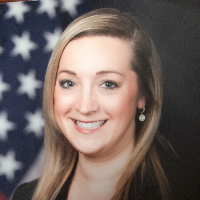
Brittany Bordonaro
LICSWDistrict of Columbia · 15 yrs exp
Practical, client-centered care for sleep and life
Relationship · Family · Trauma and abuse · Self esteem · +12 more
Read profileTherapist listings are provided by BetterHelp. We will earn a commission at no additional cost to you if you use our links to purchase.
Welcome - if you live in the District of Columbia and are looking for online therapy, you’re in the right place. All therapists listed here hold current licenses to practice in the District of Columbia. Explore profiles to learn about approaches, credentials, languages, and areas of focus that align with what you need.
District of Columbia · 15 yrs exp
Practical, client-centered care for sleep and life
Relationship · Family · Trauma and abuse · Self esteem · +12 more
Read profile
District of Columbia · 35 yrs exp
Experienced psychologist focused on relationships and sleep
Relationship · Family · Intimacy-related issues · Self esteem · +12 more
Read profile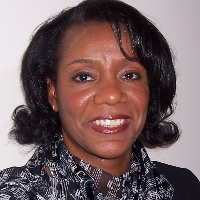
District of Columbia · 10 yrs exp
Strength-focused counselor guiding life and relationship change
Stress, Anxiety · Relationship · Grief · Intimacy-related issues · +9 more
Read profile
District of Columbia · 20 yrs exp
Compassionate counselor focused on practical change
Relationship · Family · Trauma and abuse · Depression · +14 more
Read profile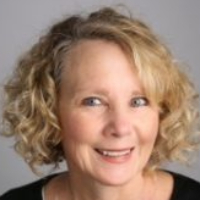
District of Columbia · 23 yrs exp
Compassionate, practical therapy for life transitions
Stress, Anxiety · Grief · Self esteem · Depression · +14 more
Read profile
District of Columbia · 26 yrs exp
Practical, person-centered therapy for better sleep and rest
Stress, Anxiety · Trauma and abuse · Self esteem · Depression · +7 more
Read profile
District of Columbia · 24 yrs exp
Practical, warm therapy focused on everyday change
Stress, Anxiety · Relationship · Family · Trauma and abuse · +15 more
Read profile
District of Columbia · 6 yrs exp
Compassionate social worker focused on rest
Stress, Anxiety · Depression · Coping with life changes · LGBT · +13 more
Read profile
District of Columbia · 40 yrs exp
Calm-focused LICSW blending coaching and practice
Stress, Anxiety · Sleeping · Depression · Coaching · +1 more
Read profileOnline therapy has become a common way for people who live in the District of Columbia to access mental health support without traveling across neighborhoods. Many licensed clinicians who practice in DC list teletherapy or online sessions among the ways they work. Because licensing rules require therapists to be authorized to practice in the jurisdiction where you are located, the therapists listed for DC hold licenses that allow them to provide care to residents of the District. Profiles typically include the clinician's professional credentials, the types of approaches they list - for example cognitive behavioral approaches, psychodynamic work, mindfulness-based methods, or trauma-focused strategies - and the populations they mention serving, such as adults, couples, teens, or people working in high-stress professions.
When you look through online therapist profiles, you will see information about the languages a clinician speaks and the kinds of issues they list working with. That information can help you identify practitioners who might be a cultural, linguistic, or experiential match. Keep in mind that approaches listed on a profile do not by themselves verify a therapist’s experience level with a particular method. Profiles are a starting point for understanding who might fit your needs as you move closer to making contact and asking additional questions.
If you live in the District of Columbia, online therapy can reduce the time and logistics involved in getting support. Commuting across the city during peak hours can add stress to an already full schedule, and online sessions let you join from home, from a break at work, or from another stable location. You can schedule sessions that fit your calendar more easily when travel time is not a factor. This flexibility can be especially useful if you work irregular hours, care for family members, or have mobility constraints that make in-person visits difficult.
Online therapy can also expand the range of clinicians you can consider. Since many therapists list the languages they speak and populations they serve, you can look for someone who understands your cultural background or professional context. For residents working in federal government, non-profit, or international fields - all common in DC - finding a therapist who is familiar with workplace stressors tied to these environments can be important. Online care can make it easier to maintain continuity with a therapist if you relocate within the metropolitan area or have changing schedules that make in-person appointments challenging.
From a practical standpoint, online sessions require reliable internet and a device with audio and video capabilities. You should plan a quiet, comfortable environment for your meetings where you feel you can speak openly. Many people find that the visual cue of a regular appointment time and a consistent online setting supports a steady therapeutic process.
Online therapists in the District of Columbia work with a broad range of concerns. You will commonly find clinicians who list work with anxiety and worry, mood concerns such as depression, and stress related to job pressures and life transitions. Many people in DC seek help for relationship issues, including couples work and communication challenges, and for family matters such as parenting stress or blended family dynamics. Grief and bereavement are also frequent reasons for seeking therapy, as are adjustments related to relocation or changing life stages.
Trauma-related work is another area that appears on many DC clinician profiles; some therapists list approaches oriented toward processing traumatic experiences. Others emphasize support for identity-related concerns, including racial and cultural stress, LGBTQ+ issues, and the impact of discrimination. You may also find clinicians who list work with substance use concerns, though treatment approaches and the extent of support vary by practitioner. When reviewing profiles, pay attention to how clinicians describe the kinds of problems they work with and the populations they mention serving to get a sense of who may be most relevant to your situation.
Verifying a therapist's license helps you confirm that the clinician is authorized to practice in the District of Columbia. Start by noting the license type and any license number listed on a clinician's profile. Common designations you may see include licensed clinical social worker, licensed professional counselor, psychologist, or psychiatrist. You can use that information to check the public license lookup maintained by the District's health licensing authority. The license lookup will typically show whether a license is active, the expiration date, and whether any disciplinary actions or restrictions are recorded.
When you check a license, look for the exact name and license number to ensure you are reviewing the right record. If a clinician lists credentials such as PhD, PsyD, LCSW, or LPC, you can verify those credentials by matching them to the public record. If you have questions about how to interpret what you find - for example, the meaning of a disciplinary notation or the details of a credential - contact the licensing office directly for clarification. They can explain what is recorded and how to understand the status. A clear license record provides useful information about who is permitted to provide services in the District and whether there are any restrictions you should be aware of when evaluating a clinician.
Getting started with online therapy involves a few practical steps and some reflection about what you hope to achieve. Begin by identifying the priorities that matter most to you. These might include the clinician's professional credentials, the therapeutic approaches they list - for instance, therapists who list CBT among their approaches or those who list psychodynamic work - language skills, experience with particular populations, or cultural affinity. Your priorities will shape which profiles feel like the best initial fit.
Once you identify profiles that seem promising, read them carefully to learn how clinicians describe their focus and the kinds of issues they list addressing. Look for information about session structure and fees, including whether they accept insurance or offer a sliding scale. Many profiles include contact methods - an email, phone number, or a link to a scheduling tool - so you can reach out and request more information. When you make contact, you can ask about the clinician's general approach to therapy, how they structure sessions, what a typical session covers, and any questions you have about logistics such as cancellation policies and fees.
Think about rapport and fit. You will likely communicate most effectively with a therapist whose interpersonal style and approach resonate with you. It is reasonable to expect an initial exchange or consultation to give you a sense of how comfortable you feel with a clinician's communication style. If something does not feel right after a few sessions, it is appropriate to discuss this with the clinician or to look for another match. Therapy is a collaborative process and finding a good working relationship is often a key part of progress.
Finally, prepare for your first online session by choosing a quiet, comfortable spot where you can speak without interruptions. Test your internet connection and audio-video setup ahead of time. Have any relevant documents or notes available, and consider what you want to focus on in early sessions. Being prepared helps you make the most of your time and gives you a clearer sense of whether the therapist’s approach and style meet your needs.
As you search through listings for licensed online therapists in the District of Columbia, take your time to read profiles and reflect on what matters most to you. Use public license lookup tools to confirm licensure, pay attention to the approaches and populations therapists list, and reach out with questions about approach, session structure, and fees. Building a good match may take a few attempts, but having clear priorities and practical expectations will help you find a clinician whose work aligns with your goals.
Remember that therapy is a personal process and that small differences in approach or style can matter. Use the information in profiles to narrow your options, and treat initial conversations as opportunities to assess fit rather than final judgments. With thoughtful selection and a plan for beginning care, online therapy can be an accessible and flexible way to get the support you want while living in the District of Columbia.
Anger
4070 therapists
Chronic Illness
1690 therapists
Chronic Pain
1690 therapists
Depression
4600 therapists
Grief
4306 therapists
Guilt and Shame
3393 therapists
Isolation / Loneliness
3315 therapists
Midlife Crisis
2517 therapists
Panic Disorder and Panic Attacks
2878 therapists
Seasonal Affective Disorder (SAD)
2222 therapists
Self Esteem
4577 therapists
Sleep and Rest
4731 therapists
Stress & Anxiety
4659 therapists
Trauma and Abuse
4332 therapists