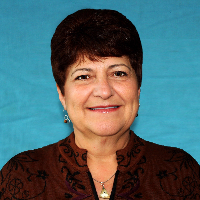
Michelle Lesagonicz
LCSWAlaska · 11 yrs exp
Calm, practical help for sleep and stress
Stress, Anxiety · Relationship · Family · Trauma and abuse · +9 more
Read profileTherapist listings are provided by BetterHelp. We will earn a commission at no additional cost to you if you use our links to purchase.
Welcome to the Alaska section of our directory for online therapists. All therapists listed here are licensed, and you can explore their profiles to learn about credentials, approaches, languages, and areas of focus.
Alaska · 11 yrs exp
Calm, practical help for sleep and stress
Stress, Anxiety · Relationship · Family · Trauma and abuse · +9 more
Read profile
Alaska · 22 yrs exp
Strength-based care for stress and sleep
Stress, Anxiety · LGBT · Grief · Coping with life changes · +9 more
Read profile
Alaska · 24 yrs exp
Compassionate, practical help for sleep and stress
Stress, Anxiety · Addictions · Trauma and abuse · Sleeping · +10 more
Read profile
Alaska · 30 yrs exp
Practical support for sleep and life stressors
Stress, Anxiety · Addictions · Relationship · Family · +10 more
Read profile
Alaska · 15 yrs exp
Calm, practical therapy for stress and sleep
Stress, Anxiety · Trauma and abuse · Grief · Parenting · +10 more
Read profile
Alaska · 9 yrs exp
Compassionate, practical therapy for life and sleep
Stress, Anxiety · Relationship · Family · Trauma and abuse · +14 more
Read profile
Alaska · 4 yrs exp
Practical support for stress and sleep
Stress, Anxiety · Relationship · Trauma and abuse · Self esteem · +10 more
Read profileIn recent years online therapy has become a common option for many people living in Alaska, offering access to counseling without the need for lengthy travel across large distances. You can connect with clinicians from towns, urban centers, and rural regions through video, phone, or messaging formats depending on what each clinician lists. When you examine profiles you will notice a range of professional credentials and stated approaches; those listings help you understand how a clinician describes their practice, but they do not substitute for direct questions you might ask about experience or approach.
The regulatory environment for clinicians varies by profession, which means that whether a counselor, social worker, marriage and family therapist, or psychologist can work with you remotely depends on licensing rules. Many therapists who offer online sessions list the states where they are licensed and the ways they conduct sessions. If you live in Alaska it is important to pay attention to whether a clinician lists an Alaska license or explicitly states they provide services to people located in Alaska. That step helps you confirm the professional is operating under the appropriate state licensing framework for the services you would receive.
Online therapy can remove practical obstacles that sometimes make in-person care difficult in Alaska. You may save hours of travel when roads are long or weather is unpredictable, and you can maintain continuity of care if you move between communities. For people in smaller towns or communities with few local mental health resources, online sessions can broaden the pool of clinicians whose approaches and languages match your needs. You might find counselors who list specialties that resonate with your concerns, or who describe a communication style that feels comfortable to you.
Another benefit is flexibility in the mode of communication. Some clinicians describe offering video sessions that mimic an in-office encounter, while others list phone or text-based options that can feel more informal. Choosing a clinician who lists the formats you prefer can help you shape a therapeutic relationship that fits your daily life. When preparing for online sessions you can arrange a quiet, interruption-free setting and a reliable internet connection, and you can test your device beforehand so the session itself runs smoothly.
Online therapists working with Alaska residents often address a wide range of life challenges and emotional concerns. Many people seek help for mood-related issues such as anxiety and depression, stress tied to work or family responsibilities, relationship difficulties, and life transitions like relocation or career change. Clinicians may list approaches and areas of focus that include trauma-informed care, grief, parenting concerns, substance use support, and coping with chronic health conditions. When you scan profiles, look for language that reflects the kinds of problems you want to address and for descriptions of the therapeutic approach that match your preferences.
If cultural background, language, or community context matters to you, some therapists list languages they speak and populations they work with. You can use that information to find clinicians who describe experience with your cultural or community context. Keep in mind that listings indicate what a therapist says they offer; a helpful next step is to reach out and ask how they work with people facing concerns similar to yours, how they structure sessions, and what a typical early session might cover. That conversation can give you a clearer sense of fit before committing to ongoing sessions.
Verifying a therapist's license is an important step before beginning online therapy. You can confirm licensing information through the state resources that handle professional registration and oversight. Start by locating the Alaska professional licensing lookup on the state website and search by the clinician's name or license number, when provided. The lookup will typically show the license type, the issue and expiration dates, and any public disciplinary history associated with that license. You should check that the license type listed corresponds to the clinical services you expect to receive, such as counseling, social work, marriage and family therapy, or psychology.
In addition to verifying that a license is active in Alaska, you may want to note whether the clinician lists other state licenses. If a clinician lists licensing in multiple states, ask how they determine which license governs your sessions and whether they provide services to people physically located in Alaska. State licensing rules can affect how care is regulated and what protections apply, so confirming these details through the official state lookup helps you make an informed choice. If you have questions about interpreting the licensing information you find online, the state licensing office can clarify what appears in the public record.
Getting started typically begins with reviewing profiles to identify therapists who describe approaches, focus areas, and languages that align with what you want. As you review profiles, consider the format of sessions a clinician lists - video, phone, or messaging - and how that format fits into your schedule and comfort level. When you reach out, you can ask about how they structure an initial intake or assessment, their typical session length, what fees they list on their profile, and whether they accept your method of payment or insurance. Use that initial contact to clarify any practical questions you have about session logistics, while keeping personal details to a minimum until you feel comfortable sharing them.
Before your first online session, plan a quiet space where you will not be interrupted and ensure your device and internet connection are ready. Think about goals you want to discuss in the early sessions and any relevant background information that would help a clinician understand your situation. If you depend on insurance for reimbursement, confirm the clinician’s billing policies and how they handle claims. Clear communication at the start helps set expectations and supports a productive therapeutic process.
Choosing a therapist is a personal process, and the right fit goes beyond credentials to include how you feel about the clinician’s approach and communication style. When reading profiles, pay attention to how clinicians describe their work and to the populations they list. Some therapists will list specific approaches or modalities; when you see names of therapeutic methods, note that listings reflect what the clinician reports rather than an external endorsement. If an approach matters to you, ask the clinician how they apply it in practice and what a typical session would look like.
Language and cultural competence can be especially important. If you prefer to work with a clinician who speaks a particular language or who understands certain cultural contexts, prioritize profiles that clearly describe those elements. Trust your impressions from an introductory conversation - a friendly and clear explanation of how a clinician works can be a strong indicator of alignment. Finally, practical considerations such as session format, fee structure, and cancellation policies matter. Gathering this information ahead of time can help you choose a clinician whose services match both your therapeutic goals and your day-to-day needs.
As you explore online therapy options in Alaska, remember that a thoughtful search and a brief initial conversation can help you find a clinician with approaches and focus areas that align with your needs. Use state licensing resources to verify credentials, prepare a comfortable and interruption-free space for sessions, and take time to assess how well a clinician's communication style fits your expectations. With those steps you can make an informed choice about online therapy that supports your goals and your well-being.
Anger
4070 therapists
Chronic Illness
1690 therapists
Chronic Pain
1690 therapists
Depression
4600 therapists
Grief
4306 therapists
Guilt and Shame
3393 therapists
Isolation / Loneliness
3315 therapists
Midlife Crisis
2517 therapists
Panic Disorder and Panic Attacks
2878 therapists
Seasonal Affective Disorder (SAD)
2222 therapists
Self Esteem
4577 therapists
Sleep and Rest
4731 therapists
Stress & Anxiety
4659 therapists
Trauma and Abuse
4332 therapists