- Practical talking therapy
- Sleep and rest focus
- NCPS credential
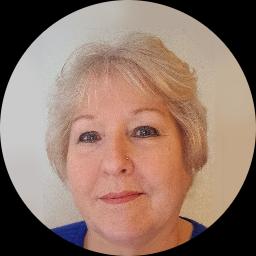
About Tina
Tina Dale brings a compassionate, creative approach to counselling. She uses practical talking therapy to help people who are feeling stuck, overwhelmed or disconnected. Tina works with issues such as grief, trauma, anxiety and depression, and she also supports people with sleeping difficulties and relationship worries.
Sessions focus on understanding what is causing distress now and in the past. She helps clients name their emotions, spot unhelpful patterns and try out new ways of coping. Conversations are shaped around the person in front of her rather than a one-size-fits-all plan.
Tina combines a few different approaches to match a person’s needs. She draws on Acceptance and Commitment Therapy to help people clarify values and take small meaningful steps. Cognitive Behavioural Therapy tools are used to notice and change unhelpful thoughts and behaviours.
Attachment-based ideas are brought in when early relationships seem to shape current difficulties. That helps when clients want to understand why they repeat certain patterns in relationships or struggle with closeness and trust.
Tina holds NCPS as a credential, which she uses alongside four years of practice experience. She works in the United Kingdom and runs sessions in English. If someone wants to begin, Tina asks them to complete a short matching questionnaire and then schedule according to her availability.
Therapeutic approaches and online support
Tina uses Acceptance and Commitment Therapy and Cognitive Behavioural Therapy as core approaches. ACT helps people clarify their values and take small meaningful steps even when emotions are difficult, which can be useful for anxiety, low mood and motivation. CBT offers straightforward techniques to spot unhelpful thoughts and practise different ways of thinking and behaving, often helping with insomnia and worry.She also draws on Attachment-Based Therapy when early relationship patterns affect current life. That approach looks at how past connections shape trust and closeness now, which can be helpful when working on relationship strain or intimacy-related concerns.
Finding the right approach is a collaborative process. The therapist will work with each person to decide which methods fit their goals and preferences, and adjust the focus as therapy progresses.
Please confirm the current session formats before booking, as the biography does not list specific online or in-person options. Online work can make it easier to fit sessions into busy days, reduce travel time and allow people to check in from quieter surroundings. It can also allow shorter check-ins or sessions that better match a lunch break or other commitments, depending on the agreed format.
Areas of expertise
Primary focus
Also works with
Additional focus areas
Therapeutic approaches
Experience
4+ years
Credentials
United Kingdom
Languages
English
Frequently asked questions
What concerns does Tina help with?
She supports people with stress, anxiety, depression, grief, trauma, relationship and intimacy issues, sleep problems and many related concerns listed on her profile.
What is her therapeutic style like?
Her style is compassionate and person-centred, combining practical tools and reflective conversation to help people make changes that suit their lives.
How much clinical experience does she have?
Tina has four years of practice experience working with a range of emotional and relational difficulties.
What credentials and location are listed?
She holds NCPS as a credential and practises in the United Kingdom.
Which languages are supported for sessions?
Sessions are offered in English only.
Can people outside the UK work with her?
International clients are not currently accepted; prospective clients should plan to work from within the United Kingdom.
How are fees and payment handled?
Costs vary with location and therapist availability; sessions use a subscription model that can be cancelled at any time.
What do I do to begin sessions?
Click the Start Therapy button, complete a short matching questionnaire, and then schedule sessions according to the therapist's availability.