- Person-centred approach
- Practical coping steps
- Bach remedies available
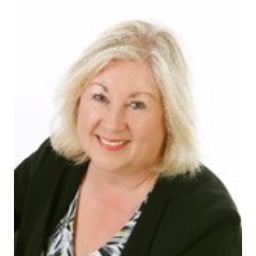
About Sue
Sue Hunter offers listening and practical support for people feeling overwhelmed by stress, sleep problems, anxiety or life changes. She writes plainly and listens without judgement so people can say what feels hard. Her sessions aim to help people notice patterns, make choices and find everyday ways to feel steadier.
She practices person-centred counselling, which means she focuses on the client’s own pace and inner resources rather than imposing solutions. Sue mixes that with talking therapies that look at thoughts and emotions, and she uses approaches that pay attention to relationships and attachment. She also uses Emotional Freedom Technique, sometimes called tapping, when it fits a person’s needs.
Her background includes registration with the British Association for Counselling & Psychotherapy, listed as BACP, and senior accreditation with the National Counselling Society, shown as NCS. She has worked in counselling for 12 years in the United Kingdom.
Alongside talking therapy, Sue offers consultations in Bach flower remedies, a natural approach intended to support emotions. Individual remedies can be prepared and posted for an additional cost. She frames this as complementary to therapy rather than a replacement for talking work.
In sessions she focuses on clear, gradual changes: spotting unhelpful thinking, trying small experiments, and building routines that help with sleep and day-to-day coping. Her style is warm, straightforward and practical, aimed at helping people regain control over daily life.
Therapeutic approaches that suit remote support
Sue uses Acceptance and Commitment Therapy and Client-Centred techniques alongside emotion-focused methods. Acceptance and Commitment Therapy (ACT) helps people notice difficult thoughts and feelings without getting stuck in them, and it supports taking small steps towards what matters. Client-Centred work prioritises the person's lived experience and pace, offering space to talk and be heard without judgement. Emotionally-Focused Therapy focuses on understanding and shifting patterns in how people respond to strong feelings, which can help with anxiety, grief and relationship-driven stress.Finding the right way of working is collaborative. Sue will talk with the client about goals and preferences and try approaches that fit those needs. She aims to adjust methods if something is not helpful, and to combine talking work with practical exercises and, when appropriate, tapping or Bach remedies.
If you are considering online sessions, confirm which session formats are currently offered before booking. Many people find remote work helps fit therapy around family and work, makes short check-ins easier and reduces travel time. It can also make it simpler to try brief practical exercises between sessions and to keep momentum when life is busy. Registered or accredited professionals can then adapt methods to suit each person’s situation.
Areas of expertise
Primary focus
Also works with
Additional focus areas
Therapeutic approaches
Experience
12+ years
Credentials
United Kingdom
Languages
English
Frequently asked questions
What kinds of problems does Sue address?
Sue works with a wide range of concerns such as stress, anxiety, sleep difficulties, depression, grief, addictions and relationship issues. She also supports people facing caregiving stress, chronic illness, body image and attachment issues.
What is Sue's counselling style like?
Her core approach is person-centred, focusing on listening and supporting your own direction. She combines that with cognitive and emotion-focused methods and occasional tapping to help with repeated patterns.
How much experience does she have?
Sue has twelve years of experience working in counselling across the United Kingdom. Her background includes integrative practice and complementary wellbeing approaches.
What credentials and professional bodies is she linked to?
She is a member of the British Association for Counselling & Psychotherapy noted as BACP and a Senior Accredited Member of the National Counselling Society shown as NCS.
In which language are sessions offered?
Sessions are offered in English.
Can international clients work with her?
International clients are not currently accepted.
How are fees and payments organised?
Costs vary by location and therapist availability and are organised via a subscription model that can be cancelled at any time. Additional charges may apply for posted Bach flower remedies.
How do I begin working together?
Click the Start Therapy button, complete a short matching questionnaire, and schedule according to the therapist's availability.