- Trauma-informed care
- Goal-focused work
- Mindfulness practices
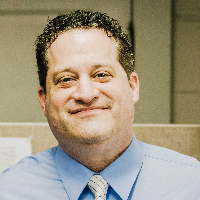
About Shlomo
Shlomo Lawrence is a Licensed Marriage and Family Therapist (LMFT) practicing in Florida. He helps people who are struggling with stress, anxiety, addiction, sleep problems, relationship and family concerns, grief, trauma, and mood issues like depression and bipolar disorder. He also supports people dealing with intimacy, body image, parenting strains, and work or career transitions.
He brings 12 years of clinical experience across community treatment, addiction programs, and trauma-focused settings. His background includes work with people facing co-occurring substance use and mental health issues and with survivors of complex trauma. He uses straightforward, conversational language and aims to make sessions feel calm and practical.
In sessions he listens closely and helps clients set clear, manageable goals. He draws on cognitive behavioral techniques to change unhelpful thinking patterns and uses EMDR when trauma processing is appropriate. He also uses mindfulness practices and dialectical behavior strategies to build emotional regulation and distress tolerance.
His upbringing in a family of first generation survivors shaped his interest in trauma and in the spiritual dimension of healing. That perspective informs how he supports people working through long-standing patterns like attachment wounds, abandonment concerns, and intergenerational trauma.
Shlomo emphasizes a collaborative pace. He works with each person to find practical steps they can use between sessions. For parents and adults juggling busy lives, he focuses on approaches that fit day-to-day routines and sleep or rest needs.
How these approaches translate to online work
Client-Centered Therapy focuses on building a respectful, nonjudgmental relationship where the therapist listens and follows the client's priorities. This approach helps when someone needs a steady, empathic space to talk through sleep trouble, stress, or relationship strain.Cognitive Behavioral Therapy, or CBT, uses clear steps to identify unhelpful thoughts and change behaviors that interfere with rest and daily functioning. It often includes small homework tasks like sleep routines, thought records, and behavior experiments to improve sleep and reduce anxiety.
Eye Movement Desensitization and Reprocessing, EMDR, is a trauma-focused method that supports processing distressing memories. When trauma contributes to insomnia or nightmares, EMDR can be one option for gentle trauma work within an overall treatment plan.
Finding the right approach is part of the work together. The therapist will talk with each person about goals, symptoms, and preferences, then recommend approaches or a blend that fit those needs. That decision is collaborative and can evolve as progress is made.
If you are considering online sessions, confirm the specific session formats available before booking. Online therapy can make it easier to fit care into a busy schedule, reduce travel time, and allow shorter check-ins when needed. It also makes it simpler to maintain consistent appointments while balancing work, family, and sleep routines.
Areas of expertise
Primary focus
Also works with
Additional focus areas
Therapeutic approaches
Experience
12+ years
Credentials
Florida, Texas
Languages
English
Frequently asked questions
What kinds of concerns does this therapist address?
He supports people with stress, anxiety, addiction, trauma, relationship and family issues, grief, sleep problems, mood disorders, and related concerns such as body image and parenting strain.
How would you describe the therapy style?
Sessions are conversational and practical. He listens closely, helps set concrete goals, and uses exercises clients can try between sessions.
What is his clinical background?
He has 12 years of experience in community treatment, addiction programs, and trauma-focused work, including supporting people with co-occurring disorders and long-standing trauma.
What credentials and location are listed?
He holds an LMFT credential and practices in Florida, with prior experience in Texas noted in his background.
Which languages are available for sessions?
Sessions are offered in English.
Are international clients supported?
International clients are not currently accepted.
How are fees and billing handled?
Cost varies by location and therapist availability; sessions use a subscription that can be canceled at any time.
What should I do to begin working together?
Select the Start Therapy button, complete a short matching questionnaire, and then schedule sessions based on the therapist's availability.