- Client-centered focus
- Behavior change tools
- Mindfulness skills
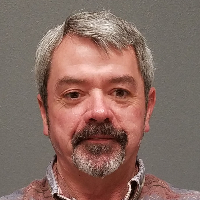
About Michael
Michael Witham is a Licensed Professional Counselor (LPC) in Wyoming with more than two decades of clinical experience. He focuses on clear, practical help for problems like stress, anxiety, sleep troubles, depression, anger, and addiction. He uses straightforward methods to help people notice patterns, change behaviors, and feel more capable day to day.
He began practicing in 2002 and became licensed in Wyoming in 2012, bringing 26 years of work in individual and group settings. That background includes crisis response and work on initial diagnostics and treatment planning. He has experience addressing chronic pain and severe psychiatric symptoms alongside more common concerns such as grief, parenting strain, and coping with life changes.
In sessions he blends client-centered work with cognitive-behavioral techniques. That means conversations start from what matters to the person, then move to practical steps for shifting thoughts and actions. He also uses parts of Dialectical Behavior Therapy and mindfulness to build emotion regulation and present-moment skills.
Michael emphasizes helping people improve decision making, manage impulses, and gain confidence in daily choices. He aims for measurable progress and strengthening the abilities clients already have. The tone he brings to sessions is direct, empathetic, and focused on usable tools.
People who want help sorting sleep routines, reducing anxiety, or handling major life stressors can expect a collaborative plan tailored to their goals. Those interested in beginning can follow the site’s process to match and schedule a first session.
How therapeutic approaches translate to online work
Client-Centered Therapy starts from the person’s priorities and builds sessions around what matters most. Online conversations follow the client’s lead and focus on goals the person brings, whether that is better sleep, less anxiety, or handling parenting stress.Cognitive Behavioral Therapy (CBT) looks at the links between thoughts, feelings, and behaviors and uses practical exercises to change unhelpful patterns. In an online setting this can include homework, thought logs, and step-by-step behavior experiments to test new ways of coping.
Dialectical Behavior Therapy (DBT) offers concrete skills for managing intense emotions and improving impulse control. Mindfulness elements help people notice tension and respond differently, which can be useful for stress, sleep disruptions, and anger.
Finding the right approach is a collaborative process. The therapist will talk with the client about needs, goals, and preferences and then suggest approaches to try. That plan can be adjusted over time based on what helps most.
The biography does not specify session formats, so confirm current options before booking. Online work can make it easier to fit therapy into a busy week, allow for shorter check-ins when needed, and reduce travel time. Licensed professionals can use these benefits to help clients practice skills and track progress between meetings.
Areas of expertise
Primary focus
Also works with
Additional focus areas
Therapeutic approaches
Experience
26+ years
Credentials
Wyoming
Languages
English
Frequently asked questions
What concerns does Michael commonly address?
He works with stress, anxiety, depression, sleep problems, anger, addictions, ADHD, grief, parenting strains, and coping with life changes among other issues.
What is his therapeutic style like?
Sessions combine a client-centered stance with cognitive-behavioral methods, plus elements of DBT and mindfulness to build emotion regulation and practical skills.
How much clinical experience does he have?
He has practiced since 2002 and holds 26 years of experience, with a Wyoming license granted in 2012.
What credentials and location are listed?
He is a Licensed Professional Counselor (LPC) practicing in Wyoming under the WY LPC designation.
Which languages are available for sessions?
Sessions are offered in English, and he accepts international clients.
What session formats are offered?
The original biography does not list specific formats; please confirm current session options before booking.
How are fees and payment handled?
Cost varies with location and therapist availability; sessions use a subscription that can be canceled at any time.
What steps should I take to begin working together?
Select the Start Therapy button, complete the short matching questionnaire, and schedule according to the therapist's availability.