- Sleep-focused strategies
- Person-centred care
- Emotion-focused work
About Fang
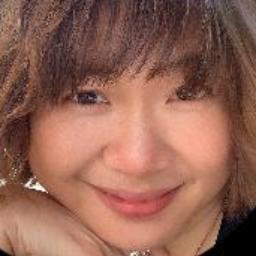
Fang Liu is a PACFA clinical counsellor who focuses on helping people regain healthier sleep and rest alongside other life challenges. She combines person-centred empathy with emotionally-focused work to make conversations feel straightforward and humane. Fang speaks English and Mandarin and draws on five years of hands-on experience in community and clinical settings.
She helps people manage anxiety, stress and depression with practical steps that can improve sleep and daily routines. Sessions are tailored to what each person needs, so conversations might include looking at thoughts, emotional patterns, or relationship dynamics that affect rest. Fang pays attention to how trauma, attachment and life changes influence sleep and functioning.
Her background includes supporting people living with ADHD, autism spectrum differences, addictions and bipolar conditions. That experience informs gentle pacing and clear, stepwise plans when sleep is disrupted by mood, trauma or substance use. Fang aims to make strategies simple to try between sessions.
Fang uses a mix of Attachment-Based, Client-Centred and Cognitive Behavioural approaches alongside Emotionally-Focused and Jungian ideas. She matches methods to the person rather than applying a single technique. Conversations are collaborative and focus on small, achievable changes that help with rest and wellbeing.
People choosing to work together start with a short matching questionnaire and then schedule sessions based on availability. Fang does not accept international clients and practices in Australia. The subscription model for sessions can be cancelled at any time.
How Fang’s approaches translate to online therapy
Fang often blends Attachment-Based Therapy, Client-Centred Therapy and Cognitive Behavioural Therapy in her work. Attachment-Based Therapy looks at how early relationship patterns affect current sleep and emotional responses and can help people change those patterns. Client-Centred Therapy focuses on listening and reflecting so people feel heard and can discover solutions at their own pace. Cognitive Behavioural Therapy addresses unhelpful thoughts and behaviours that disrupt sleep, offering clear strategies to try between sessions.Finding the right mix of methods is part of the process. Fang collaborates with each person to choose approaches that match their goals, needs and preferences. She adapts pacing and techniques based on how someone responds, and checks in regularly to refine the plan together.
The therapist's biography does not specify which online session formats are offered, so confirm available options before booking. Many people find online work helpful because it fits around work and family routines, can reduce travel time and lets sessions happen from a familiar room. Other practical benefits include shorter check-ins when time is limited and easier access to a therapist who uses specialised approaches for sleep, trauma or mood concerns.
Areas of expertise
Primary focus
Also works with
Additional focus areas
Therapeutic approaches
Experience
5+ years
Credentials
Australia
Languages
English, Mandarin
Frequently asked questions
What kinds of concerns does Fang specialise in?
Fang works with stress, anxiety, depression, relationship difficulties and sleep problems. She also supports people with trauma, addictions and ADHD-related challenges.
How would you describe her therapeutic style?
Her style is person-centred and emotionally focused, with practical elements from cognitive behavioural approaches. Sessions aim to be collaborative and paced to each person.
What experience does she bring to sessions?
Fang has five years of professional work experience supporting people in community and clinical settings. That experience includes work with autism spectrum differences and bipolar conditions.
Where does Fang practise and what credential does she hold?
She practises in Australia and is PACFA registered. The credential is shown as PACFA.
Can I work with Fang in another language?
Sessions are offered in English and Mandarin. International clients are not currently accepted.
What session formats are available?
The original biography does not list specific session formats. Please confirm current session options before booking.
How much do sessions cost?
Cost varies with location and therapist availability and sessions use a subscription that can be cancelled at any time.
How do I begin working with Fang?
Start by selecting the Start Therapy button, completing a short matching questionnaire, and then scheduling according to the therapist's availability.