- Solution focused help
- English and Spanish
- Focus on sleep
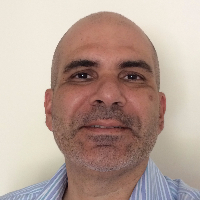
About Enrique
Enrique Sanchez is a licensed mental health counselor with twenty years of practice in Florida. He draws on long-term clinical experience to help people facing depression, anxiety, bipolar symptoms, substance use concerns, and trauma. He offers direct, practical support aimed at helping people feel steadier and make workable changes.
He often starts by listening carefully and helping people name what’s most troubling. Sessions focus on clear steps and small goals, not just talk. Enrique uses a solution-focused attitude, helping people find answers that fit their life and values.
His work includes helping people navigate relationship conflict and communication problems. He also supports those coping with grief, anger, self-esteem concerns, parenting stress, and intimacy-related issues. Sleep and rest difficulties are among the concerns he addresses in therapy.
Enrique uses methods drawn from client-centered work, cognitive behavioral approaches, emotionally-focused techniques, the Gottman method, and mindfulness practices. He adapts these tools to the problem at hand and the person in front of him. Sessions tend to be practical, aimed at reducing distress and building new habits.
He provides therapy in English and Spanish and accepts international clients. Enrique emphasizes a nonjudgmental approach, especially with people facing substance use and addiction-related stigma. To begin, prospective clients complete a short matching questionnaire and schedule sessions according to availability.
How therapeutic approaches guide online work
Client-centered therapy focuses on listening and following the person’s lead, helping people feel heard and understood while identifying their own goals. It suits concerns that benefit from a supportive, empathic space such as grief, shame, or relationship struggles.Cognitive behavioral therapy (CBT) looks at how thoughts, behaviors, and feelings interact and uses practical exercises to change unhelpful patterns. CBT can help with anxiety, depression, sleep problems, and repetitive negative thinking.
Emotionally-focused therapy (EFT) helps people notice and name emotional patterns that drive reactions in relationships and personal distress. It’s useful when emotions feel overwhelming or get in the way of connection and decision making.
Finding the right approach is part of the work. The therapist will collaborate with each person to choose methods that match their needs, goals, and preferences. That choice can change over time as progress is made and new priorities appear.
Confirm the session formats offered before booking, since the biography does not list specific options. Online therapy can make it easier to fit sessions into a busy life, reduce travel time, and allow shorter check-ins when schedules demand. Some formats also work better when lower bandwidth or no video is preferred, so discuss practical needs when arranging appointments.
Areas of expertise
Primary focus
Also works with
Additional focus areas
Therapeutic approaches
Experience
20+ years
Credentials
Florida
Languages
English, Spanish
Frequently asked questions
What problems does Enrique commonly help with?
He works with a wide range of concerns including depression, anxiety, bipolar symptoms, substance use, trauma, relationship conflict, grief, eating and sleeping issues, and career stress.
How would you describe his therapy style?
His style is practical and client-centered, focusing on listening, setting small goals, and using solution-focused steps to help people make changes.
What is his professional background?
He brings twenty years of clinical experience working in outpatient settings and helping people with both new and long-standing emotional and substance use problems.
Where is he licensed to practice?
He holds a Florida Licensed Mental Health Counselor credential abbreviated as LMHC and practices from Florida.
Which languages are supported in sessions?
Sessions are offered in English and Spanish, and he also accepts international clients who can participate in those languages.
What session formats are available?
The original biography does not list specific session formats, so confirm current session options before booking to know which formats are offered.
How are fees and payments handled?
Cost varies with location and therapist availability; sessions use a subscription that can be canceled at any time.
What should I do to start working together?
Click the Start Therapy button, complete a short matching questionnaire, and schedule sessions based on the therapist's availability.