- Client-centered care
- Skills-based tools
- Mindfulness work
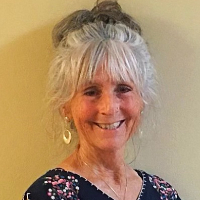
About Elizabeth
Elizabeth Chavez is an LPCC with 20 years of experience in the mental health field. She has worked in psychiatric hospitals, correctional settings, substance treatment centers, and community counseling centers. She presents a calm, conversational approach that centers on understanding each person's needs and strengths.
Her work focuses on helping people feel better now and build skills for lasting change. Sessions are framed as conversations where the client is the expert on their life. Chavez listens for practical ways to reduce stress, manage anxiety, address addictions, and improve sleep and daily routines.
She draws on client-centered methods to create a respectful, nonjudgmental space. Cognitive behavioral tools are used to notice unhelpful thinking and try new behaviors. Dialectical behavior strategies and mindfulness practices are offered to manage strong emotions and build coping skills.
Chavez also helps people facing grief, trauma, relationship strain, parenting stress, and life transitions. She works with mood concerns such as depression and bipolar symptoms, and supports those navigating body image, intimacy, and identity questions. Sleep and rest are part of the concerns she addresses in the context of daily functioning.
Her goal is to help people leave sessions with clear, doable next steps. She emphasizes practical tools, insight into patterns, and motivation to try new choices. Clients who prefer a conversational, collaborative therapist often find this approach helpful.
How therapeutic approaches translate to online care
Client-Centered Therapy emphasizes listening and collaboration. The therapist follows the client's lead, validates experience, and helps identify practical goals; this suits people who want a respectful, conversational space to work through stress or relationship concerns.Cognitive Behavioral Therapy (CBT) focuses on spotting unhelpful thoughts and trying different behaviors. It offers concrete exercises and homework to reduce anxiety, manage mood, and improve sleep routines in everyday life.
Dialectical Behavior Therapy (DBT) provides skills for regulating strong emotions and tolerating distress. It includes paced skills training and mindful practices that can help with impulsive behaviors, anger, and coping during difficult moments.
Finding the right approach is part of the work. The therapist will collaborate with the client to choose or adapt methods based on needs, goals, and preferences. This means trying strategies, checking what helps, and adjusting plans together.
Confirm current session options before booking, as specific online formats are not listed here. Online therapy can make it easier to fit sessions into a busy schedule, reduce travel time, and allow shorter check-ins when needed. It can also let people use audio-only contact when video is not practical. Ask about available formats during scheduling to pick what fits best.
Areas of expertise
Primary focus
Also works with
Additional focus areas
Therapeutic approaches
Experience
20+ years
Credentials
New Mexico
Languages
English
Frequently asked questions
What kinds of problems does this therapist address?
She helps with stress, anxiety, depression, addictions, trauma, grief, relationship and intimacy issues, sleep concerns, parenting strain, and related challenges.
How would you describe the therapy style?
The approach is conversational and person-centered, focusing on understanding needs and building practical skills such as CBT techniques, DBT strategies, and mindfulness practices.
What is her professional background?
She has 20 years of experience working in intensive psychiatric hospitals, correctional settings, substance treatment centers, and community counseling centers.
What credential does she hold and where is she based?
She is an LPCC - Licensed Professional Clinical Counselor - licensed in New Mexico and practices from that state.
Which languages are sessions offered in?
Sessions are offered in English.
Can people outside the United States work with her?
International clients are not currently accepted.
How does payment and cost work?
Cost varies with location and therapist availability; sessions use a subscription model that can be canceled at any time.
What are the steps to begin therapy?
Use the Start Therapy button, fill out a short matching questionnaire, and schedule based on the therapist's availability.