- Sleep and rest support
- Trauma and addiction
- Practical skills focus
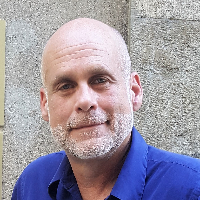
About Dion
Dion Smith is an LPC (Licensed Professional Counselor) based in Texas who helps people facing stress, sleep problems, addiction, trauma, anxiety, and depression. He also supports people dealing with grief, relationship and intimacy concerns, parenting strain, career stress, ADHD, and compassion fatigue. He writes plainly and focuses on practical steps that can be used in day-to-day life.
He brings ten years of counseling experience and earlier work in school psychology to his clinical approach. That background informed his move into counseling and into work with service members through a Department of Defense program. He draws on those experiences when helping people navigate transitions and the fallout from trauma and substance use.
In sessions he treats each person as an individual and builds a plan to fit their needs and goals. He commonly uses client-centered work alongside cognitive behavioral tools and mindfulness exercises. He also offers EMDR and elements of dialectical behavior therapy when they match a person's goals.
Dion combines practical skills training with space to talk through painful memories and current problems. He also does assessment and refers to other services when that will help someone get better care. The emphasis is on finding realistic strategies that fit a person's life and schedule.
To get started the reader selects the Start Therapy button, completes a short matching questionnaire, and schedules according to the therapist's availability. Sessions use a subscription that can be canceled at any time.
Approaches that translate well to online care
Client-centered therapy focuses on listening and shaping sessions around what matters most to the person, which helps in building safety and trust. Cognitive Behavioral Therapy (CBT) uses practical exercises to shift unhelpful thoughts and behaviors, and works well when people want tools for sleep, anxiety, or mood. Eye Movement Desensitization and Reprocessing (EMDR) is a trauma-focused approach that processes distressing memories through guided procedures and can be used when trauma symptoms are a central concern.Choosing the right approach is a collaborative process. The therapist will talk with the client about their goals and preferences and then suggest which methods to try first. Plans can be adjusted over time based on what helps and what fits daily life.
The biography does not specify which remote session formats are offered, so confirm current options before booking. Online care can make it easier to fit therapy into a busy schedule, allow shorter check-in sessions when needed, and avoid travel time. Licensed professionals can also adapt homework, mindfulness practice, and skills coaching to work over distance so clients can practice strategies between sessions.
Areas of expertise
Primary focus
Also works with
Additional focus areas
Therapeutic approaches
Experience
10+ years
Credentials
Texas
Languages
English
Frequently asked questions
What concerns does this counselor address?
He works with stress, anxiety, depression, trauma and abuse, addictions, sleep problems, grief, relationship and intimacy issues, parenting strain, ADHD, and related concerns.
What is his therapeutic style like?
He takes a practical, client-centered approach and builds plans to match each person's goals. Sessions combine talking, skills practice, and exercises such as mindfulness.
What kind of experience does he have?
He has ten years of counseling experience and earlier work as a school psychology specialist beginning in 1994, plus recent work with service members through a Department of Defense program.
What credentials and location are listed?
He holds the LPC credential, noted as TX LPC, and practices in Texas.
Are sessions offered in other languages or internationally?
Sessions are offered in English and he is not currently accepting international clients.
What session formats are available?
The original biography does not list specific session formats; please confirm current session options before booking.
How are costs handled for sessions?
Costs vary with location and therapist availability; sessions use a subscription model that can be canceled at any time.
How do I begin working with this therapist?
Use the Start Therapy button, complete a short matching questionnaire, and schedule sessions according to the therapist's availability.